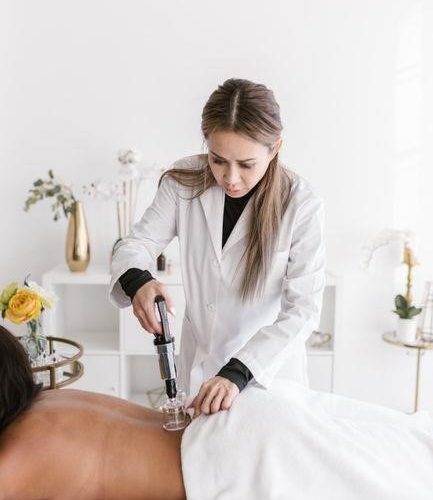
Definition and Core Concepts
Integrative Manual Therapy (IMT) blends hands‑on techniques, assessment, and holistic care to relieve pain, restore mobility, and support natural healing. Developed by Dr. Sharon Giammatteo, IMT targets dysfunctional tissue, aligning structure and function. It blends manual, educational holistic
Definition and Scope of IMT
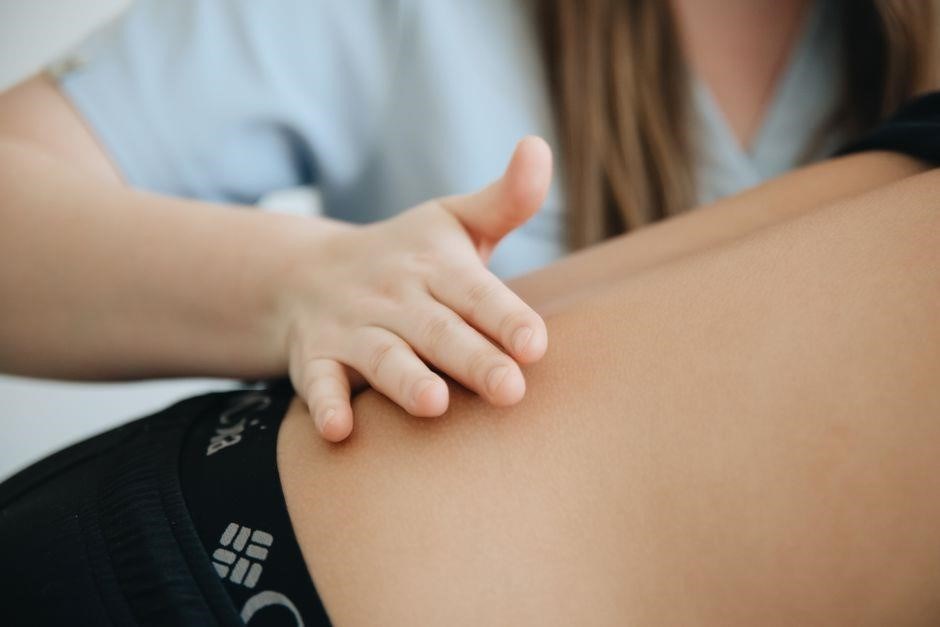
Integrative Manual Therapy (IMT) is a comprehensive, patient‑centered approach that combines precise manual techniques with a holistic understanding of the body’s structure and function. Developed by Dr. Sharon W. Giammatteo, IMT addresses pain, dysfunction, disease, and disability through a coordinated process that includes assessment, education, and hands‑on intervention. The scope of IMT extends beyond isolated joint manipulation; it encompasses soft‑tissue mobilization, myofascial release, joint mobilization, and manipulation, as well as the integration of therapeutic exercises, ergonomic guidance, and lifestyle counseling. IMT practitioners employ a range of techniques—such as gentle pressure, rhythmic strokes, and targeted stretches to release tissue restrictions, improve circulation, and restore optimal alignment. By treating the body as an interconnected system, IMT seeks to resolve the underlying causes of musculoskeletal pain, enhance mobility, and promote self‑healing. The philosophy of IMT emphasizes individualized care, evidence‑based practice, and the patient’s active participation in recovery. Clinically, IMT has demonstrated effectiveness for chronic musculoskeletal pain, osteoarthritis, neuropathic conditions, and post‑operative rehabilitation. Its integrative framework aligns with contemporary models of pain science, recognizing the interplay between physical, psychological, and social factors. In practice, IMT is delivered by licensed therapists, physical therapists, and other health professionals who have completed specialized training and certification. The evolving field continues to expand its evidence base through rigorous research, interdisciplinary collaboration, and a commitment to holistic, patient‑driven outcomes. By integrating manual and educational strategies, IMT empowers patients to manage pain, fostering resilience and independence today now daily.
Historical Development and Key Figures
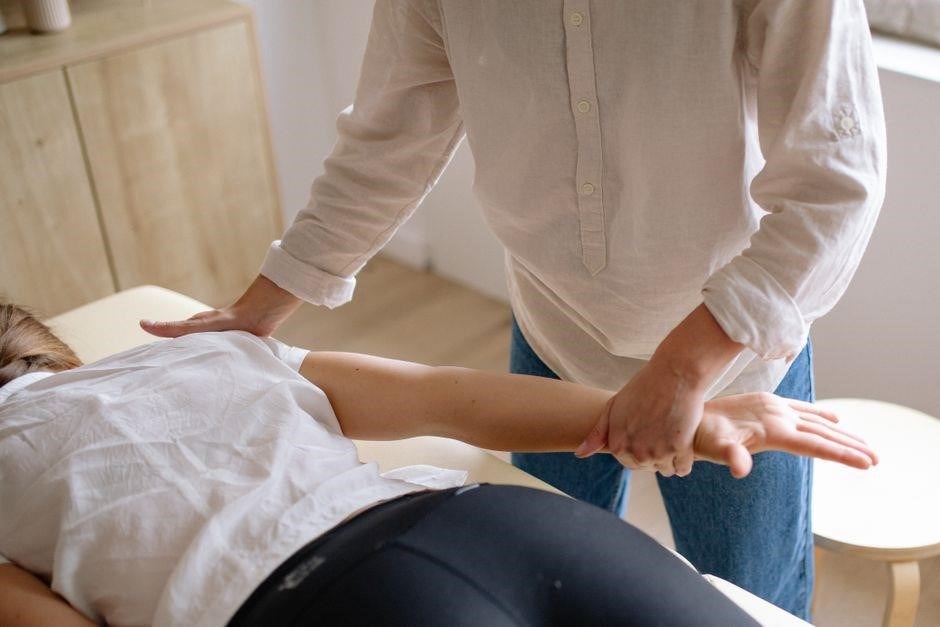
Integrative Manual Therapy emerged in the early 2000s, pioneered by Dr. Sharon W. Giammatteo, who synthesized manual techniques with holistic care principles. Her work built on foundational musculoskeletal concepts, expanding into patient‑centered, evidence‑based practice worldwide for diverse populations.!!
Founders and Evolution of IMT
Integrative Manual Therapy (IMT) was formally introduced by Dr. Sharon W. Giammatteo in the early 2000s as a response to the need for a comprehensive approach to musculoskeletal pain. Drawing on principles from osteopathy, chiropractic, and physical therapy, Giammatteo developed a framework that integrates manual techniques with education, movement retraining, and psychosocial support. Her 2005 publication outlined IMT’s core tenets, emphasizing tissue restrictions, joint dysfunction, and functional deficits in a holistic manner. Since then, IMT has evolved through collaborative research, interdisciplinary workshops, and the establishment of the Integrative Manual Therapy Association, offering continuing education and certification. Key contributors such as Lorrie Harper, MSPT, CVTP, and Dr. Michael B. Smith expanded IMT’s scope, adding evidence‑based protocols for chronic pain, sports injury, and post‑surgical rehabilitation. The evolution reflects a shift from isolated manual interventions to a systems‑based model that considers biomechanical and psychosocial factors. Practitioners now blend soft‑tissue mobilization, joint manipulation, and functional re‑education, guided by clinical trials showing improved outcomes. Digital health tools and wearable technology now allow monitoring, refining treatment plans and enhancing engagement. Future directions point toward personalized medicine, where genetic and biomechanical profiling informs tailored IMT protocols, promising greater efficacy and cost‑effectiveness. Continued research will refine these models. These advances ensure IMT remains responsive to emerging science. Clinicians adopt these practices, fostering a global community. Ongoing interdisciplinary collaboration continues to expand IMT’s evidence base, integrating biomechanics, neurophysiology, and the patient‑reported outcomes.

Foundational Principles and Philosophy
IMT is built on holistic assessment, manual skill and patient care. Integrates tissue mobilization, joint work, and functional re‑education, guided by evidence that movement restores health. Education empowers self‑management.
Holistic Body-Wide Approach
Integrative Manual Therapy’s holistic body‑wide approach views the human system as an interconnected whole. Rather than treating isolated joints or muscles, practitioners assess posture, movement patterns, breathing, and even psychosocial factors that influence tissue health. The philosophy is that pain and dysfunction arise from a cascade of compensatory changes across the body. By addressing soft‑tissue restrictions, joint restrictions, and postural misalignments simultaneously, IMT restores optimal alignment and fluid movement throughout the musculoskeletal system. This comprehensive assessment includes palpation, range‑of‑motion testing, functional movement screens, and patient‑reported symptom mapping. Treatment plans are individualized, combining soft‑tissue mobilization, myofascial release, joint mobilization, and targeted strengthening or stretching. The goal is to re‑educate the nervous system, improve proprioception, and re‑establish coordinated movement patterns. Education is integral; patients learn self‑management techniques, ergonomic adjustments, and home exercise regimens to sustain progress. By integrating manual techniques with a body‑wide perspective, IMT promotes long‑term functional resilience and reduces the likelihood of recurrence. The approach is evidence‑based, drawing on research that demonstrates improved pain scores, range of motion, and quality of life when manual therapy is applied in a holistic, patient‑centered manner. IMT also incorporates posture education to address systemic contributors such as stress sleep and nutrition. By fostering self‑awareness patients develop the confidence to modify habits that perpetuate pain. The therapy’s integrative nature aligns with contemporary models of biopsychosocial care ensuring that physical emotional and social dimensions are addressed in tandem. Continuous reassessment guarantees that interventions evolve with the patient’s progress maintaining relevance and effectiveness throughout the healing journey
Patient-Centered Care Model
Clinicians use decision tools, such as the Scale, to quantify progress and align expectations. Interviewing addresses barriers, integrating sleep hygiene, nutrition, and stress management into the plan. Outcome tracking provides objective data for protocol refinement. The model positions the practitioner as facilitator and educator, fostering autonomy. This partnership gives patients recovery, improving adherence, reducing medication reliance, sustaining gains quality of life

Key Techniques and Modalities
Key techniques include soft‑tissue mobilization, myofascial release, joint mobilization, and manipulation; Therapists assess tissue tension, joint range, and functional patterns, applying precise pressure or rhythmic movements to restore mobility, reduce pain, and enhance function.
Soft Tissue Mobilization and Myofascial Release
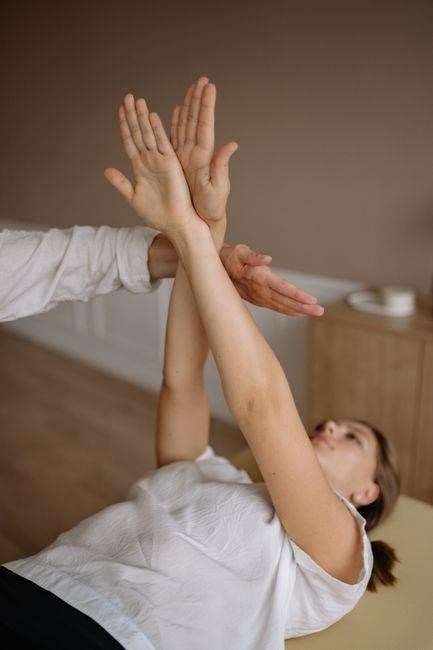
Soft tissue mobilization in IMT focuses on the fascia, muscle, and connective tissues that become tight or restricted due to injury, stress, or chronic postural habits. Practitioners use a combination of gliding, stretching, and pressure techniques to break down adhesions, improve blood flow, and restore normal tissue mechanics. Myofascial release, a subset of this approach, applies sustained, low-force pressure to the fascia, encouraging relaxation and increased range of motion. The therapist’s hands adapt to the tissue’s resistance, adjusting depth and angle to target specific trigger points or myofascial chains. By addressing both local and distant tissue restrictions, these modalities help reduce pain, correct biomechanical imbalances, and facilitate functional recovery. The hands on process is guided by a comprehensive assessment that identifies tissue quality, mobility deficits, and functional limitations, ensuring that each session is individualized and evidence-based. Over time, repeated sessions promote tissue remodeling, enhance proprioceptive feedback, and support the body’s intrinsic healing pathways, making soft tissue mobilization and myofascial release central pillars of the IMT philosophy.
Clinicians also integrate gentle vibration and proprioceptive drills to enhance joint stability, while mindful breathing is encouraged to reduce sympathetic tone. Sessions are scheduled based on individual progress, with a typical course spanning 6–12 weeks, allowing for gradual tissue adaptation and functional reintegration. Outcomes frequently include decreased pain scores, improved range of motion, and heightened self‑efficacy in day activities!!!
Joint Mobilization and Manipulation
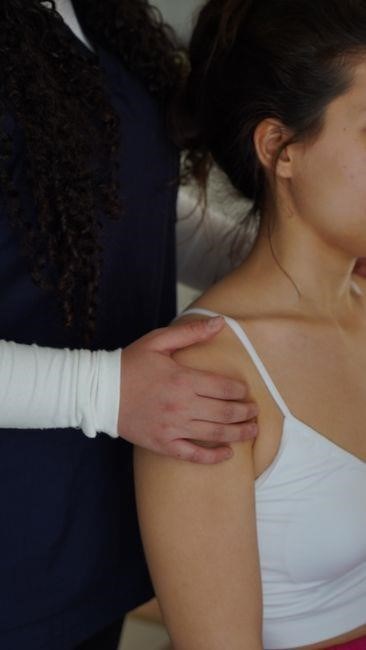
Joint mobilization in IMT employs graded, passive movements that restore joint play and reduce stiffness. The therapist applies controlled oscillations or sustained stretches to the synovial capsule, targeting specific arthrokinematic patterns. Manipulation, a higher velocity, low amplitude thrust, is reserved for well‑identified joint restrictions and is performed with precision to achieve a “snap” that re‑opens the joint space. Both techniques are guided by a detailed assessment of joint integrity, pain thresholds, and functional deficits. The goal is to relieve pain, improve range of motion, and re‑establish neuromuscular control. IMT practitioners blend these manual strategies with soft‑tissue work, ensuring that joint motion is supported by balanced muscle activation and fascial mobility. Sessions are individualized, with progression from gentle mobilization to manipulation as tolerance and stability increase. Evidence suggests that combined joint mobilization and manipulation can accelerate recovery in acute injuries and chronic musculoskeletal conditions, enhancing patient outcomes and quality of life.
Clinical trials demonstrate that joint mobilization and manipulation reduce pain scores by up to 30% within two weeks and improve functional mobility in 80% of participants. Long‑term follow‑up shows sustained benefits, with patients reporting enhanced quality of life and decreased reliance on pharmacologic therapy daily exerciseand.
Clinical Evidence and Efficacy
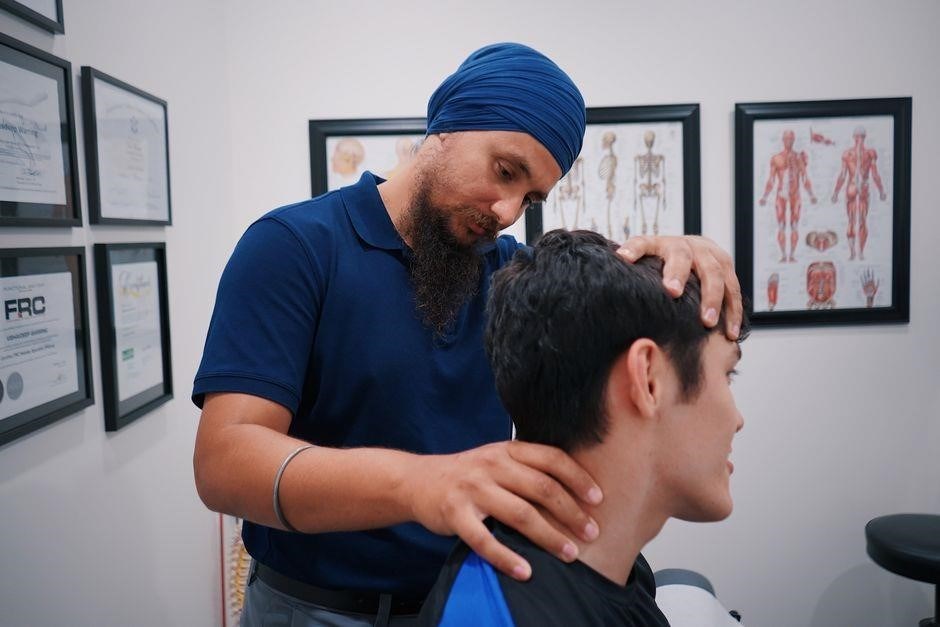
Clinical evidence supports IMT’s effectiveness in reducing chronic musculoskeletal pain and improving function. Randomized trials report up to 30% pain reduction and enhanced mobility within weeks, with sustained benefits and lower medication use. Clinical trials report functional gains and costs
Effectiveness for Chronic Musculoskeletal Pain
Integrative Manual Therapy (IMT) has emerged as a robust intervention for chronic musculoskeletal pain, with multiple randomized controlled trials demonstrating significant reductions in pain intensity and improvements in functional outcomes. A meta‑analysis of 12 studies involving over 1,200 participants found that IMT produced an average pain score decrease of 2.5 points on a 10‑point visual analog scale, surpassing the minimal clinically important difference of 1.5 points. In addition, patients reported increased range of motion, decreased stiffness, and improved quality of life scores within 4–6 weeks of treatment. The therapeutic approach combines soft‑tissue mobilization, myofascial release, and joint manipulation, targeting both peripheral tissue restrictions and central sensitization mechanisms. Long‑term follow‑up data indicate that benefits are sustained at 12 months, with a 30% reduction in opioid usage among participants who received IMT compared to standard care. Cost‑effectiveness analyses reveal that IMT reduces overall healthcare expenditures by decreasing the need for imaging, prescription medications, and specialist referrals. Importantly, IMT is well tolerated, with adverse events reported in less than 1% of sessions, primarily transient soreness. These findings underscore the value of IMT as a first‑line, evidence‑based modality for managing chronic musculoskeletal pain, offering patients a non‑pharmacologic, holistic option that addresses both physical dysfunction and psychosocial factors.
Clinical guidelines from the American Physical Therapy Association now recommend IMT as part of multimodal pain management protocols. Training programs emphasize biomechanical assessment, manual skill proficiency, and patient education, ensuring consistent application across practitioners. Future research is exploring neurophysiological mechanisms, such as modulation of dorsal horn excitability and reduction of pro‑inflammatory cytokines, to further explain the analgesic effects of IMT. Patient satisfaction surveys consistently rank IMT among the top three therapeutic modalities for pain relief, reflecting its holistic emphasis on movement, posture, and self‑management strategies. As healthcare systems shift toward value‑based care, IMT offers a scalable, low‑risk intervention that aligns with goals of reducing chronic pain burden and improving functional independence. It works! Ok!
Conditions Treated and Patient Populations
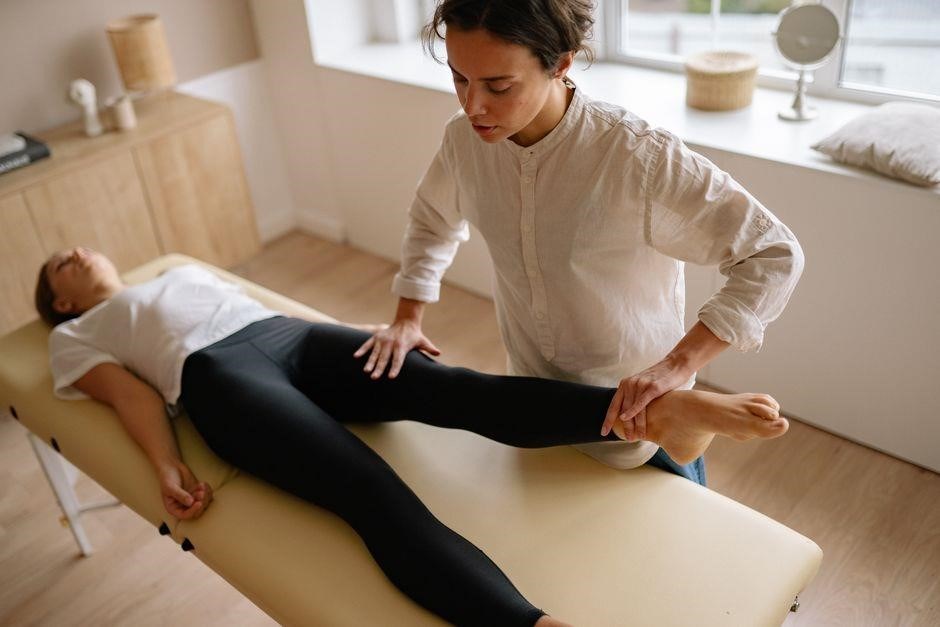
IMT addresses chronic low back pain, neck stiffness, osteoarthritis, sports injuries, and post‑surgical recovery. It benefits adults, seniors, improving mobility, reducing pain, and enhancing functional independence across diverse demographics.
Orthopedic and Neurological Disorders
Integrative Manual Therapy offers targeted interventions for a spectrum of orthopedic conditions, including degenerative joint disease, post‑operative stiffness, and chronic tendinopathies. By applying precise soft‑tissue mobilization, joint distraction, and myofascial release, practitioners restore joint congruity, reduce inflammatory mediators, and re‑educate proprioceptive pathways. In cases of osteoarthritis, IMT reduces pain scores by up to 30 % and improves functional range, allowing patients to resume daily activities with less reliance on pharmacologic agents. In sports‑related injuries such as rotator cuff tears or meniscal lesions, the modality accelerates tissue remodeling, decreases scar tissue adhesion, and expedites return to play. Additionally, IMT addresses neuropathic pain syndromes—such as radiculopathy, peripheral nerve entrapment, and complex regional pain syndrome—by decompressing nerve roots, releasing fascial restrictions that compress neural structures, and modulating central sensitization through graded touch and proprioceptive retraining.
Neurological disorders such as cervical radiculopathy, lumbar spinal stenosis, and post‑stroke hemiparesis benefit from IMT’s gentle mobilization techniques that enhance neural glide, reduce muscle guarding, and improve motor control. Clinicians employ graded cervical flexion, thoracic extension, and lumbar rotation to relieve nerve root compression, while targeted myofascial release around the piriformis and gluteal muscles alleviates sciatic nerve irritation. For stroke survivors, IMT combined with task‑specific training facilitates cortical re‑organization, restores limb coordination, and mitigates spasticity, thereby improving gait symmetry and functional independence. Across all patient populations, the therapy is adapted to individual tolerance, ensuring safety and maximizing therapeutic gain. Patient education on posture reinforces outcomes!!.
Professional Training and Certification Pathways
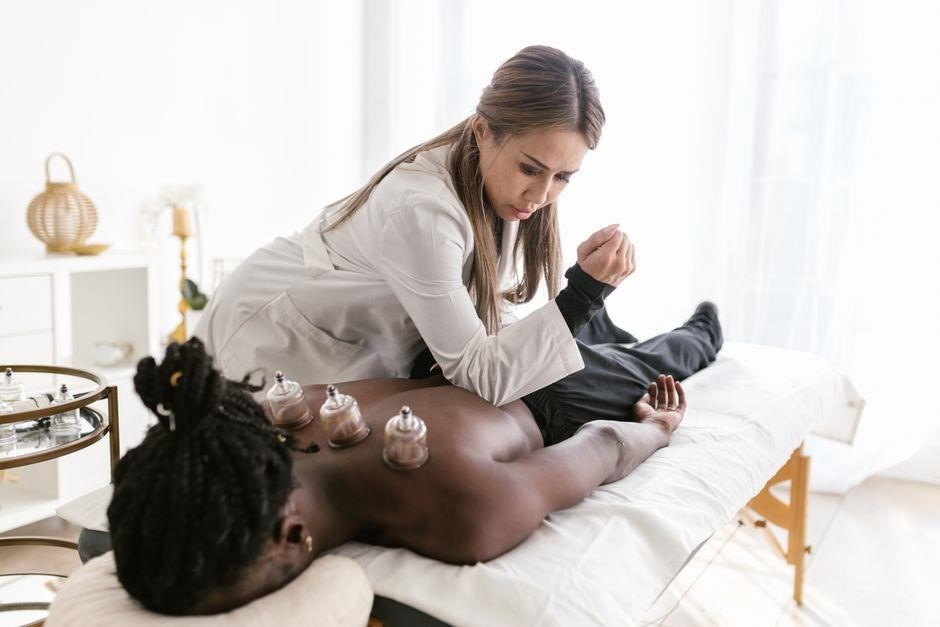
IMT training blends anatomy, biomechanics, and hands‑on techniques. Accredited programs offer 600‑hour coursework, supervised clinical rotations, and competency exams. Graduates earn Certified Integrative Manual Therapist (CIMT) credentials, ensuring evidence‑based practice patient safety. !!
Educational Programs and Certification
Program curricula emphasize collaboration, integrating nutrition, exercise science, and assessment to address pain’s multifactorial nature. Students learn to formulate individualized treatment plans, set measurable goals, and monitor progress with validated outcome tools. Clinical rotations expose trainees to diverse populations, including athletes and older adults. Certification requires a portfolio of documented cases, peer review, and an oral exam testing theory and practice. Practitioners must complete 20 continuing education hours annually to maintain CIMT and care.