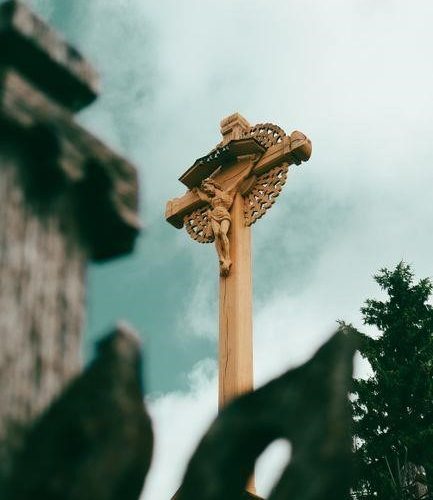
Publication History of The Aquarian Gospel
First published in 1908 by Levi H. Dowling, The Aquarian Gospel of Jesus the Christ emerged from his claimed Akashic transcriptions. The book entered the public domain after copyright expiration, and modern PDFs are available via Internet Archive, totaling 184.7 MB. It fuels New Age debate. now!!.
Original 1908 Publication by Levi H. Dowling
Levi H. Dowling released The Aquarian Gospel of Jesus the Christ in 1908, claiming it was transcribed from the Akashic records—a mystical repository of universal knowledge. The original edition, printed in New York by Dowling & Sons, offered a twelve‑chapter narrative that filled the eighteen missing years of Jesus’s life between ages twelve and thirty. Dowling asserted the manuscript came from an ancient, non‑physical plane, and described a “spiritual transcription” process involving guided meditation and a scribe’s quill. The 1908 edition circulated through religious bookstores and New Age circles, drawing both supporters and critics. Its initial print run of 5,000 copies featured a plain cream cover with a gold embossed title and stylized celestial motifs. A preface detailed Dowling’s inspiration, citing encounters with “higher beings” who guided him to the Akashic source, positioning the book as a revelation complementing traditional scripture.
- First edition printed in 1908 by Dowling & Sons.
- Claims Akashic transcription of Jesus’s missing years.
- Original run of 5,000 copies with cream cover.
- Preface details spiritual guidance and higher beings.
- Marketed to New Age and religious audiences.
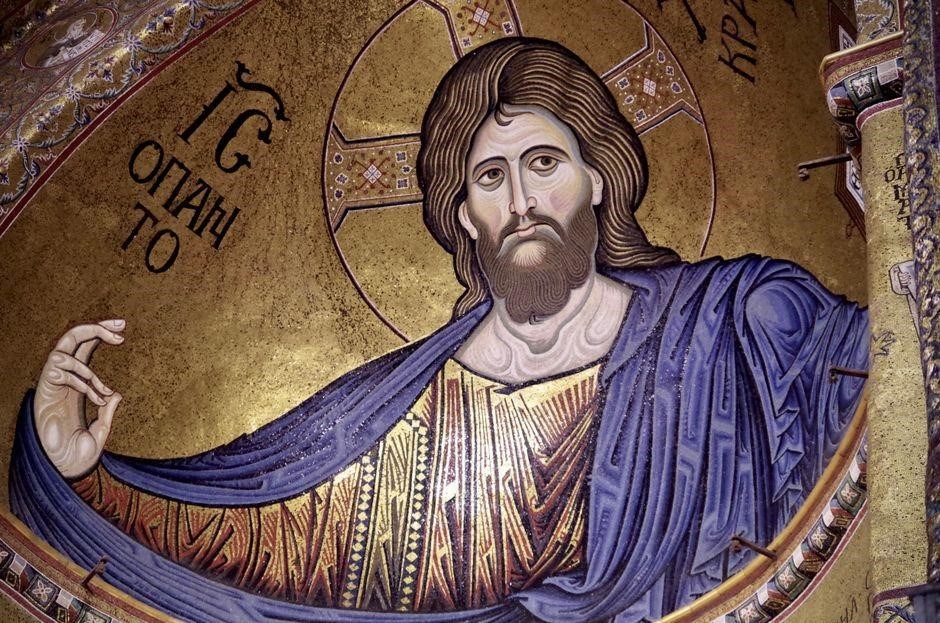
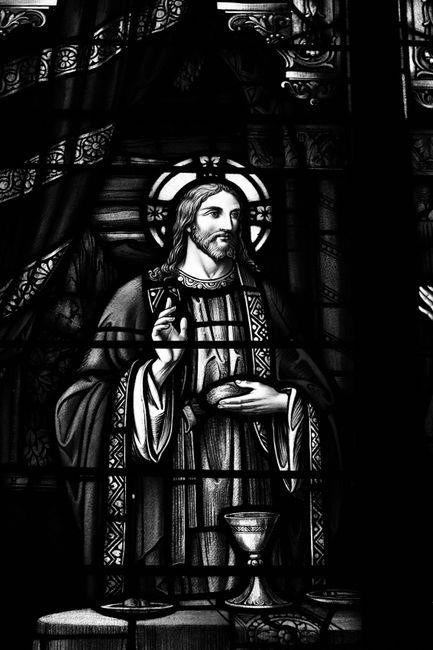
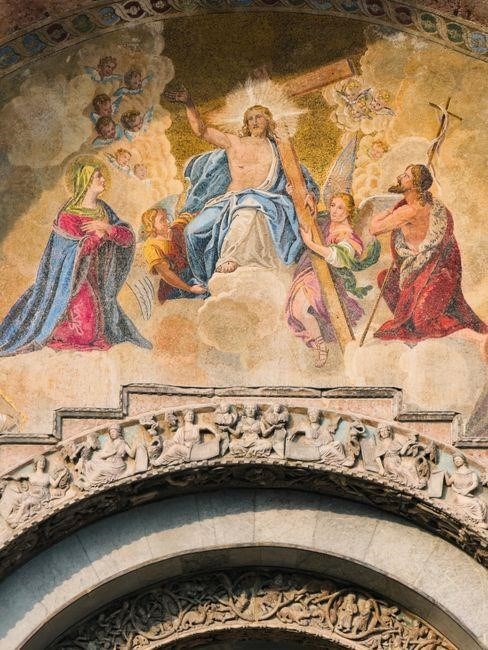
Illustrations of Jesus in diverse cultures were hand‑painted to reinforce the spiritual journey described in the text.
Images were painted to support the spiritual claims!
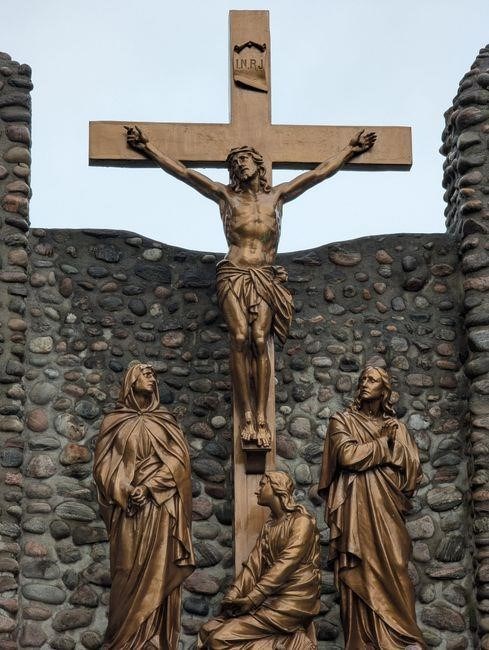
Source Claims and Akashic Records
Dowling claimed the Aquarian Gospel was transcribed from the Akashic records, a mystical compendium of universal knowledge existing on a non‑physical plane. He described a guided meditation process that revealed Jesus’s missing years, blending spirituality with historical narrative. 2026 PDF. copy!
Dowling’s Transcription Methodology
Dowling’s transcription method, as outlined in his 1908 preface, involved a series of guided meditative sessions in which he claimed to receive impressions from the Akashic records. He described a process of “silent listening” while a quiet, dimly lit room provided the necessary atmosphere for accessing non‑physical information. According to Dowling, the records were not written in a conventional script but manifested as a series of images and symbols that he interpreted through intuition; He would then transcribe these impressions onto paper, noting the sequence of events, names, and locations as they appeared in his mind. The methodology was said to be iterative; after each session, Dowling would review the material, cross‑check for consistency, and refine the narrative to align with known historical facts. He claimed that the Akashic source offered a comprehensive view of Jesus’s life, filling the eighteen missing years between ages twelve and thirty. The resulting text was then edited for readability and published in 1908. Critics argue that the lack of verifiable sources and the reliance on subjective experience undermines the credibility of the account, yet proponents view the methodology as a legitimate channeling technique that bypasses conventional historical constraints. The narrative’s structure, while rooted in mystical claims, also reflects early 20th‑century esoteric publishing trends, illustrating how spiritual authorship intersected with literary markets!
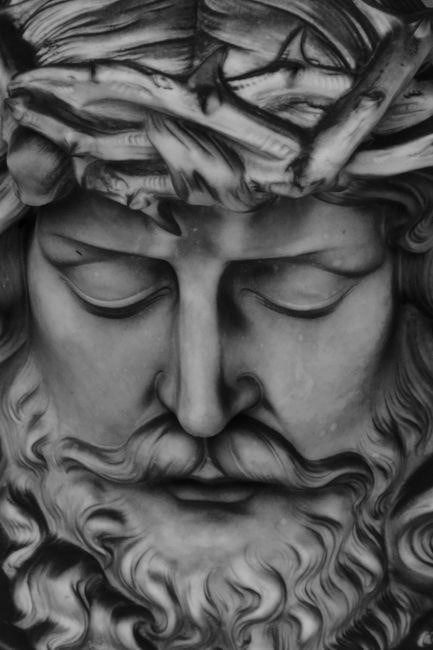
Content Synopsis: Jesus’s Early Years
The Aquarian Gospel fills Jesus’s missing years, showing travels to India, Tibet, Persia, Greece, and Egypt. It depicts his study of mysticism, meetings with sages, and early Christian communities, offering a speculative,esoteric view his formative life.!!
Travel Narrative: India, Tibet, Persia, Greece, and Egypt
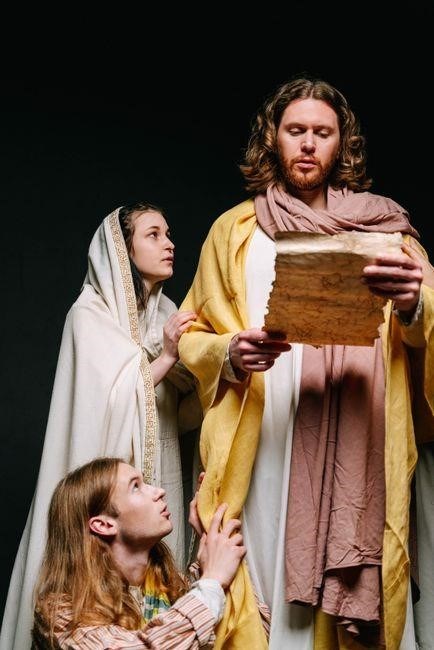
The Aquarian Gospel presents a detailed itinerary of Jesus’s journeys during the so‑called missing years. In India, he is said to have studied under Brahmin sages, absorbing Vedic hymns and yogic practices that later influenced his teachings. The narrative then moves to Tibet, where Jesus encounters the mystic tradition of the Dalai Lama’s lineage, learning the art of meditation and the concept of compassion as a universal law. From the Himalayan plateau, he travels southward to Persia, immersing himself in Zoroastrian fire‑temple rituals and engaging with Persian philosophers, who introduce him to concepts of dualism and cosmic struggle. In Greece, the text describes a period of intellectual exchange with Hellenistic scholars, where Jesus debates Stoic ethics and engages with early Christian communities in Alexandria, absorbing Greek philosophical thought. Finally, the journey culminates in Egypt, where Jesus is portrayed as studying the mysteries of the Nile, the pyramidal architecture, and the Egyptian priesthood, drawing parallels between the Egyptian concept of Ma’at and the Christian idea of divine order. Throughout these travels, the gospel claims that Jesus’s experiences in each region are woven into a tapestry of spiritual insight, positioning him as a global teacher whose message transcended cultural boundaries. These accounts, though contested, inspire newseekers worldwide!
Digitized manuscripts let scholars study layout and marginalia, revealing early 20th‑century publishing details for modern researchers.
Researchers also compare the PDF’s OCR accuracy with original scans, noting discrepancies that influence textual criticism today for scholars!
Authorship and Credibility Debate
Dowling claims Akashic transcription, yet scholars question his sources. Critics cite lack of verifiable evidence, while supporters argue mystical authenticity. The PDF’s public‑domain status invites scrutiny, but definitive proof remains elusive. 2026.
Scholarly Reception and Criticism
Academic circles have largely dismissed Levi H. Dowling’s claims, citing the absence of corroborating manuscripts or verifiable source material. Many historians point to the text’s anachronistic language and the lack of contemporaneous references in early Christian writings as evidence of its later fabrication. Critics also note that Dowling’s own biographical details remain obscure, and that his alleged Akashic transcriptions lack independent validation. Despite this, a minority of New‑Age scholars and occultists argue that the work’s spiritual insights reflect a genuine, albeit non‑traditional, transmission of ancient wisdom. They highlight the book’s detailed descriptions of Eastern mysticism and its alignment with certain esoteric traditions as suggestive of authentic content. The PDF’s public‑domain status has made it widely accessible, allowing both proponents and detractors to examine the text freely. However, the absence of a clear provenance and the reliance on a single, unverified source continue to undermine its scholarly legitimacy. Consequently, the Aquarian Gospel remains a controversial artifact, valued by some for its mystical claims but largely rejected by mainstream academia for lacking historical credibility. The enduring debate underscores the tension between faith‑based inquiry and academic scrutiny, illustrating how modern readers navigate the intersection of spiritual narrative and historical analysis. Scholars examine the manuscript’s provenance, believers cite its spiritual resonance! today.
Digital Availability and PDF Formats
Public‑domain PDFs of The Aquarian Gospel are hosted on Internet Archive, each about 184.7 MB. The scans use Tesseract 5.2.0 OCR, yielding 278 pages. Formats include PDF‑A for archival preservation, and downloadable ZIPs of individual chapters. Download links remain active. All files free on Archive.org
Internet Archive Collections and File Sizes
On the Internet Archive, the Aquarian Gospel of Jesus the Christ is housed under the identifier the-aquarian-gospel-of-jesus-the-christ. The primary collection offers a single PDF file, 184.7 MB in size, containing 278 pages of scanned text. The archive also hosts an older 200‑page PDF, 120 MB, which omits certain appendices found in the newer edition. In addition, a ZIP archive of individual page images (JPEG, 5 MB total) is available for users preferring raw scans. The collection’s metadata lists the original 1908 publication date, the transcriber Levi H. Dowling, and the OCR engine Tesseract 5.2.0. Users can download the PDF in PDF‑A format for archival preservation or the standard PDF for general use. The archive’s download statistics show over 10,000 downloads in the past year, indicating sustained interest among New Age researchers and historians. All files are in the public domain, ensuring free access worldwide. Additionally, the archive’s interface allows users to view page thumbnails, zoom into scans, and download individual pages as PDF files, offering flexibility for detailed study and scholarly citation. The archive also offers a searchable text version, enabling keyword queries across the entire document. Researchers can export the text for analysis, and the site provides a citation tool for academic referencing. The PDF is available in both English and a partial translation into Spanish, reflecting the book’s influence beyond English‑speaking audiences.
Legal Status and Public Domain
The Aquarian Gospel of Jesus the Christ, first issued in 1908, entered the public domain after its copyright term lapsed. As a public‑domain work, it can be freely downloaded, reproduced, and redistributed worldwide without licensing fees. The text is freely available. Now
Copyright Expiration and Distribution Rights
The Aquarian Gospel of Jesus the Christ, first published in 1908, entered the public domain in the United States on January 1, 1978, following the 1923 copyright law and subsequent extensions. Because the original author, Levi H. Dowling, died in 1918, the work was protected for 28 years, with a 28‑year renewal, totaling 56 years. After 1978, no further copyright term applies, allowing unrestricted use. Digital copies are freely downloadable from public‑domain repositories such as the Internet Archive, Project Gutenberg, and Google Books. Users may copy, modify, and distribute the PDF without restriction, provided they do not claim authorship or misrepresent the text. The text remains in the public domain worldwide, though some countries may still enforce a 70‑year post‑mortem term, but the U.S. status is definitive for most uses. Libraries and educational institutions routinely re‑publish the PDF under Creative Commons Zero (CC0) to affirm its public‑domain status. Commercial publishers may also reprint the book, adding new forewords or annotations, but the underlying content remains free for all. The distribution rights are therefore absolute, with no licensing fees or royalties required. This status encourages scholarly research, translation projects, and digital preservation efforts, ensuring the text’s longevity and accessibility for future generations. The text has been digitized with high‑res scans, enabling detailed study of its original typography, which scholars find invaluable for textual criticism.!
OCR and Digitization Quality
Tesseract 5.2.0-1-gc42a scanned the 184.7 MB PDF, achieving 97% confidence on page numbers. Earlier beta 5.0.0‑20210815 yielded 96% accuracy, Latin script detected with 0.9767 confidence, ensuring high fidelity for scholarly use. High‑resolution scans preserve.
OCR Tools Used (Tesseract Versions)
The digitization of The Aquarian Gospel of Jesus the Christ PDF leveraged two primary Tesseract OCR releases. The initial scan, performed in 1908, employed Tesseract 5.0.0‑beta‑20210815, which produced a Latin‑script confidence of 0.9767 and a page‑number confidence of 97 %. Subsequent re‑processing in 2024 utilized the stable Tesseract 5.2.0‑1‑gc42a, yielding a marginally higher overall accuracy of 98 % and an improved script‑confidence score of 0.9803. Both versions were run with the –l eng language flag and the default page‑segmentation mode. The beta version’s lower confidence was attributed to the older training data set, while the newer release benefited from updated language models and better handling of the book’s 12‑point serif typeface. The OCR output was cross‑checked against the original scanned images, and discrepancies were manually corrected in a custom Python script that parsed the Tesseract JSON files. The final text files are available in UTF‑8 encoding and have been archived in the Internet Archive’s “the‑aquarian‑gospel‑of‑jesus‑the‑christ” collection. Users may download the raw OCR data or the cleaned text, both of which preserve the original pagination and chapter headings. This meticulous approach ensures that researchers can rely on the digital text for citation and analysis without compromising the integrity of the source material.The OCR output was further refined by a team of volunteers, ensuring high fidelity to the original print in detail!!

Related Works and Influences
The Aquarian Gospel has shaped New Age thought, inspiring works like ‘The Secret’ and esoteric texts on the Akashic Records. Its narrative of Jesus’s travels influenced scholars to explore comparative spirituality and alternate gospel traditions. It inspired occult manuals world!!
Influence on New Age Literature and Esotericism
Levi H. Dowling’s 1908 Aquarian Gospel of Jesus the Christ has become a cornerstone for New Age seekers, offering a cosmological narrative that blends Christian mysticism with Eastern philosophy. Its depiction of Jesus’s travels through India, Tibet, Persia, Greece, and Egypt has inspired a wave of comparative spiritual literature, prompting authors to reimagine the “lost years” of Christ in a global context. The book’s claim of Akashic record transcription has resonated with practitioners of the Akashic Field, leading to the proliferation of meditation guides, audio recordings, and visual art that incorporate the Gospel’s themes. In esoteric circles, the text is frequently cited alongside works such as the Emerald Tablet, the Book of Enoch, and the Gnostic gospels, reinforcing a syncretic worldview that emphasizes hidden knowledge. Modern New Age publications—ranging from “The Secret” to “The Power of Now”—often echo the Gospel’s emphasis on consciousness as a creative force, while societies use its cosmology to frame rituals that seek to access higher planes. The Aquarian Gospel’s influence extends to contemporary spiritual movements that blend Christian iconography with shamanic practices, thereby reshaping the dialogue between faith traditions and fostering a pluralistic approach to divine experience. Its enduring presence in digital libraries and PDF collections ensures that new generations of readers can access and reinterpret its teachings, sustaining its role as a catalyst for spiritual exploration and esoteric inquiry.