
TikTok’s explosive growth mirrors the global interconnectedness impacting state boundaries, showcasing a platform where trends emerge and spread rapidly across nations.
Millions engage with personalized short videos, demonstrating a digital space that transcends traditional geographical limitations and influences cultural exchange.
This platform, available on web and mobile, exemplifies how digital content creation and consumption are reshaping interactions within and between sovereign entities.
A. Defining Sovereignty
Sovereignty, at its core, represents supreme authority within a territory, a concept increasingly challenged by digital platforms like TikTok. The platform’s global reach demonstrates how information and cultural trends can bypass traditional state controls.
TikTok, with its millions of users creating and consuming content, embodies a spontaneous and authentic digital space. This challenges the notion of states as sole arbiters of information and cultural narratives within their borders.
The platform’s personalized video feeds, accessible on both web and mobile, highlight a shift towards individualized experiences, potentially diminishing the influence of centralized state-controlled media. TikTok’s rapid trend cycles showcase a dynamic environment where influence isn’t solely dictated by governmental power.
Understanding sovereignty requires acknowledging this evolving landscape, where digital platforms contribute to a more complex interplay between state authority and individual expression, mirroring a world where trends begin on TikTok.
B. Historical Development of the Sovereign State
Historically, the sovereign state emerged from a gradual consolidation of power, a process now mirrored in the digital realm by platforms like TikTok. Just as states once asserted control over physical territories, today’s digital spaces present new arenas for influence.
The Peace of Westphalia (1648) is often cited as a key moment, establishing the principle of state non-interference – a concept now tested by the borderless nature of TikTok’s content flow.
TikTok’s ability to rapidly disseminate trends, available on web and mobile, parallels the historical spread of ideas and cultural practices, albeit at an unprecedented speed. This challenges traditional notions of state control over information.
The platform’s global user base demonstrates a networked world where cultural exchange occurs independently of state sanction, echoing the historical evolution from localized communities to interconnected nations, but in a digital form.
C. Key Characteristics of a Sovereign State
A sovereign state, much like the TikTok platform, requires defined boundaries – for a state, geographical; for TikTok, its terms of service and content policies. Both establish rules within their respective domains.
TikTok’s millions of users represent a ‘permanent population’ analogous to a state’s citizenry, engaging with content and shaping trends. This parallels a state’s need for a stable populace.
Effective governance, crucial for states, finds a parallel in TikTok’s moderation teams and algorithm, attempting to manage content and user experience. Both aim for order within their systems.
Finally, the capacity to interact – a state through diplomacy, TikTok through its global reach – is vital. TikTok’s availability on web and mobile exemplifies this interconnectedness, mirroring a state’s engagement with the international community.
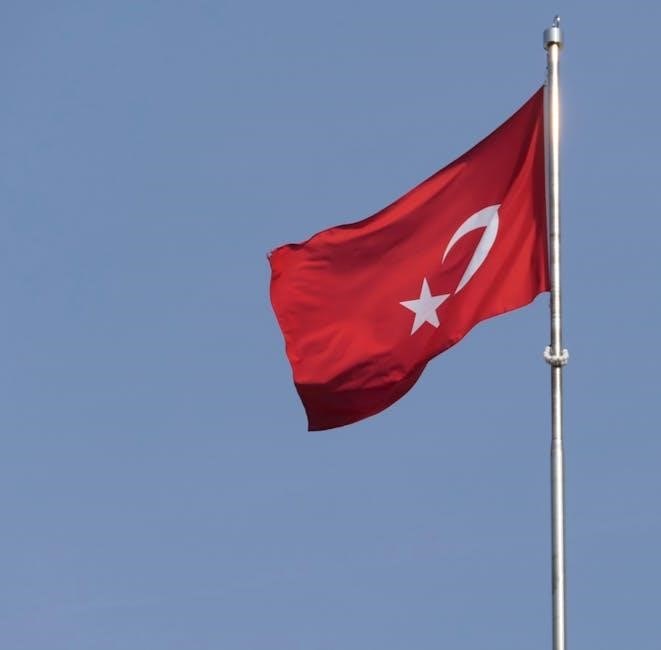
II. Elements of a Sovereign State
TikTok, with its user base and content, demonstrates elements of a defined space, a population engaging with videos, and a platform governing interactions.
A. Defined Territory
TikTok’s digital realm, while not a physical territory, presents an interesting analogy when considering defined space. The platform operates within established legal jurisdictions globally, yet its content transcends borders, reaching users across numerous nations. This creates a complex interplay between physical and virtual boundaries.
The app’s terms of service and community guidelines function as internal regulations governing user behavior within this digital “territory.” However, unlike a traditional state, TikTok doesn’t exert absolute control over the physical locations from which content originates or is accessed. Content creators operate from diverse geographical locations, contributing to a globally dispersed digital landscape.
Furthermore, the platform’s accessibility is subject to governmental regulations and potential restrictions within specific countries, highlighting the influence of external actors on its operational “territory.” This illustrates how even in the digital age, the concept of a clearly defined and controlled territory remains a nuanced and contested issue.
B. Permanent Population
TikTok’s massive user base – millions globally – mirrors the concept of a permanent population, albeit a digitally connected one. These users aren’t bound by geographical location in the same way as citizens of a state, yet they form a consistent and evolving community within the platform’s ecosystem.
The platform fosters a sense of belonging and shared experience through trending challenges, viral videos, and creator-follower interactions. This creates a dynamic “population” constantly generating and consuming content, contributing to TikTok’s cultural influence. However, unlike a state’s population, TikTok’s user base is fluid, with individuals joining and leaving frequently.
The platform’s algorithms personalize content delivery, effectively creating sub-communities within the larger population. This segmentation, while enhancing user engagement, also highlights the diverse and fragmented nature of TikTok’s digital citizenry, a population defined by shared interests rather than physical proximity.
C. Effective Government
TikTok, while not a state, possesses a clear governing structure – the Chinese company ByteDance – that exerts control over the platform’s operations and content. This corporate entity establishes and enforces rules, moderates content, and manages user data, functioning as an ‘effective government’ within its digital realm.
ByteDance’s policies dictate acceptable behavior, addressing issues like misinformation, hate speech, and copyright infringement. These rules, though distinct from state laws, demonstrate a capacity to maintain order and regulate activity within TikTok’s environment. However, this governance is often subject to scrutiny regarding censorship and data privacy concerns.
The platform’s algorithm, while designed for personalization, also acts as a form of governance, shaping user experiences and influencing content visibility. This algorithmic control raises questions about transparency and potential biases, mirroring debates surrounding governmental power and influence.
D. Capacity to Enter into Relations with Other States
TikTok’s global reach necessitates interaction with various national governments, mirroring a state’s diplomatic engagements. ByteDance navigates complex regulatory landscapes, complying with data privacy laws and content restrictions imposed by different countries – a form of ‘relation’ building.
Concerns over national security have prompted governments, including the US and India, to scrutinize TikTok’s operations and even consider bans, demonstrating the platform’s vulnerability to state actions. These interactions, often adversarial, highlight TikTok’s dependence on governmental goodwill.
Furthermore, TikTok collaborates with advertisers and content creators worldwide, establishing economic ties that resemble international trade agreements. These partnerships, though commercial, represent a capacity to engage in cross-border interactions and influence global markets, akin to a sovereign state’s economic diplomacy.

III. Internal Sovereignty
TikTok’s content moderation policies, enforcing community guidelines, parallel a state’s legal systems, establishing rules and maintaining order within its digital ‘territory.’
A. Supreme Authority Within Territory
TikTok’s operational control over its platform—managing content, user data, and algorithmic functions—reflects a state’s supreme authority within its borders. Just as a sovereign state dictates laws and enforces them, TikTok establishes and implements its community guidelines, impacting user behavior and expression.
This parallels the concept of a state’s exclusive jurisdiction over its population and resources. TikTok’s ability to remove content deemed inappropriate or harmful demonstrates a form of control analogous to a state’s power to regulate speech and activity. The platform’s algorithms, shaping content visibility, function similarly to a state’s influence on public discourse.
However, this authority isn’t absolute; TikTok operates within the legal frameworks of various nations, facing potential restrictions and demands for compliance, mirroring external limitations on state sovereignty. The platform’s internal governance, therefore, provides a modern lens through which to understand the complexities of supreme authority.
B. Rule of Law and Legal Systems
TikTok’s community guidelines and terms of service function as a rudimentary legal system, establishing rules for user conduct and outlining consequences for violations – akin to a state’s codified laws. The platform’s content moderation processes, while imperfect, represent an attempt to enforce these rules consistently, mirroring a state’s judicial system.
However, TikTok’s legal framework differs significantly from a state’s. It’s a privately enforced system, subject to the company’s discretion and potentially lacking the due process protections found in national legal systems. The platform’s response to legal demands from various governments illustrates the interplay between its internal rules and external legal frameworks.
This dynamic highlights the challenges of applying the concept of the rule of law to digital spaces, where jurisdiction and enforcement are complex and often contested. TikTok’s operations demonstrate a parallel, yet distinct, form of governance.
C. Control of Resources and Infrastructure
TikTok’s infrastructure – its servers, data centers, and algorithms – represents a critical resource, largely controlled by its parent company, ByteDance. This control mirrors a state’s dominion over its physical resources and essential infrastructure like energy grids and transportation networks. The platform’s algorithms curate content, effectively controlling the flow of information to its users, a power analogous to a state’s control over media and communication channels.
However, unlike a state, TikTok’s resource control is primarily economic and technological, not territorial. Concerns regarding data security and potential Chinese government access to user data raise questions about the platform’s alignment with national interests, mirroring anxieties about foreign control over vital infrastructure.
TikTok’s global reach demonstrates its ability to influence cultural trends and public discourse, showcasing a form of “soft power” that challenges traditional notions of state control over information.

IV. External Sovereignty
TikTok’s international presence necessitates navigating diverse regulations, mirroring a state’s treaty-making power and recognition by other nations for legitimacy.
A. Independence from External Control
TikTok’s operation, despite originating in China, strives for localized content and adaptation to various national markets, reflecting a complex interplay of influence and autonomy.
This mirrors a sovereign state’s fundamental right to govern itself without undue interference from external actors, a cornerstone of international law and political stability.

The platform’s ability to function across diverse legal landscapes demonstrates a degree of operational independence, though subject to scrutiny regarding data security and censorship concerns.
A truly sovereign state, like a successfully navigating digital platform, must maintain control over its internal affairs and resist domination by foreign powers or entities.
This includes safeguarding its economic policies, cultural values, and political systems from external manipulation, ensuring self-determination and national integrity.
The challenge lies in balancing global integration with the preservation of national sovereignty, a delicate act mirrored in TikTok’s global expansion and adaptation strategies.
B. Recognition by Other States
TikTok’s widespread adoption and integration into global digital culture implicitly represent a form of recognition, albeit informal, by users and societies worldwide.
This parallels a sovereign state’s need for formal recognition by other states to fully participate in the international community and enjoy associated rights and privileges.
Just as TikTok requires acceptance and engagement from diverse audiences, a state needs diplomatic acknowledgment to establish legitimacy and engage in treaty-making or international cooperation.
The platform’s availability in numerous countries suggests a level of acceptance, though subject to potential restrictions or bans based on political or security concerns.
Similarly, state recognition can be withdrawn or contested, impacting a nation’s standing and ability to function effectively on the global stage.
Mutual recognition fosters stability and predictability in international relations, mirroring the benefits of a widely accepted and trusted digital platform like TikTok.
C. Treaty-Making Power
TikTok’s terms of service and community guidelines function as a form of internal “treaty,” establishing rules and obligations for its users – a parallel to a state’s treaty-making power.
States, through treaties, create legally binding agreements with other states, governing various aspects of international relations, much like TikTok governs user behavior.
A sovereign state’s capacity to enter into treaties signifies its independence and willingness to cooperate within the international legal framework.
TikTok, while not a state, negotiates agreements with content creators and advertisers, establishing contractual relationships that shape its ecosystem.
The ability to enforce these agreements, whether through legal mechanisms or platform policies, demonstrates a form of authority akin to a state’s treaty enforcement.
Both state treaties and platform agreements rely on mutual consent and a degree of reciprocity to be effective, fostering a predictable environment for interaction.

V. Types of Sovereignty
TikTok’s user base exhibits “popular sovereignty” through content creation, influencing trends and platform direction, mirroring power residing within a population.
A. De Jure Sovereignty (Legal Recognition)
TikTok’s global presence necessitates navigating diverse legal frameworks, reflecting the importance of “de jure sovereignty” – legal recognition by other states.
The platform’s operation within each country hinges on adherence to local laws regarding data privacy, content moderation, and user agreements, demonstrating respect for established legal norms.
This legal compliance is crucial for TikTok to function legitimately and avoid conflicts with national governments, mirroring how states require international recognition for legitimacy.
Just as a state needs acknowledgment from other states to be considered fully sovereign, TikTok requires legal sanction to operate within each nation’s borders.
Without this “de jure” acceptance, the platform faces potential restrictions or outright bans, highlighting the parallel between state sovereignty and corporate operational rights.
TikTok’s efforts to comply with varying regulations showcase the practical implications of legal recognition in a globalized digital landscape.
B. De Facto Sovereignty (Actual Control)
TikTok’s ability to shape online trends and influence user behavior illustrates “de facto sovereignty” – actual control exercised within a given space.
Despite legal regulations, TikTok’s algorithms and content moderation policies wield significant power over what users see and share, demonstrating a form of operational control.
This control, though not legally mandated, represents a practical authority over the digital experiences of millions, akin to a state’s control over its territory and population.
The platform’s capacity to promote certain content and suppress others showcases its influence, mirroring a state’s ability to enforce laws and maintain order.
However, this “de facto” control is contingent on user engagement and acceptance; a mass exodus would diminish TikTok’s power, similar to a state losing legitimacy.
TikTok’s influence exemplifies how control can be exerted through technological means, even without formal legal authority.
C. Popular Sovereignty (Power Resides in the People)
TikTok’s success hinges on user-generated content, embodying “popular sovereignty” – the idea that power ultimately resides with the people, or in this case, its users.
The platform’s algorithm responds to user engagement, prioritizing videos that resonate with the audience, effectively granting users the power to determine trending content.
This dynamic reflects a digital public sphere where collective preferences shape the platform’s landscape, mirroring democratic principles of representation and participation.
Creators gain influence based on their ability to connect with viewers, demonstrating a meritocratic system where popularity translates to power and visibility.
However, this “popular sovereignty” is mediated by TikTok’s algorithms and policies, raising questions about the extent of genuine user control;
TikTok’s model illustrates how digital platforms can both empower and constrain popular expression.
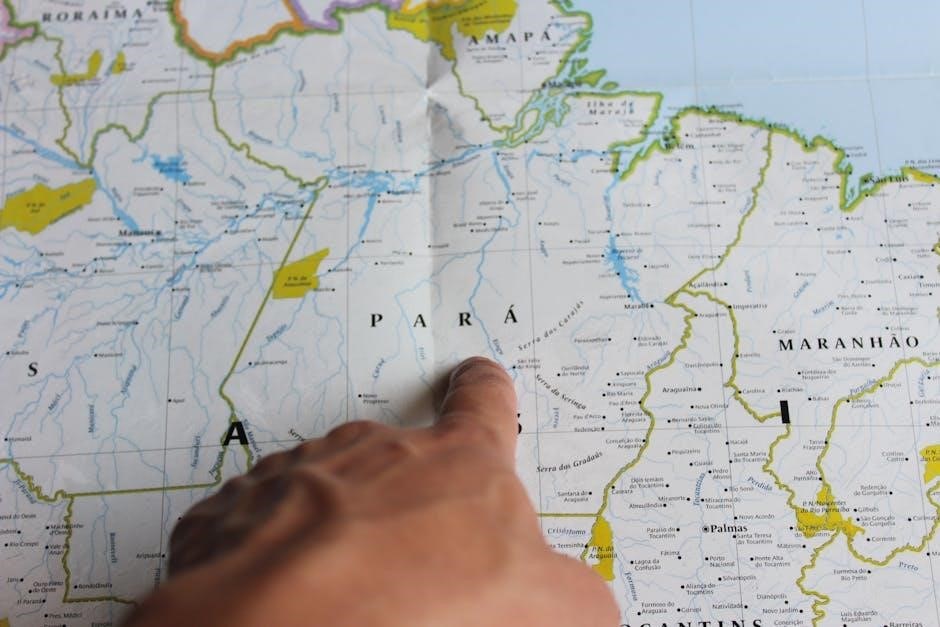
VI. Challenges to State Sovereignty
TikTok’s global reach challenges state control over information flows, demonstrating how digital platforms can circumvent traditional borders and regulations.
A. Globalization and International Organizations
TikTok’s very existence embodies globalization, connecting users worldwide and fostering a shared digital culture that transcends national boundaries, impacting state sovereignty.
The platform’s rapid dissemination of trends illustrates how information, and consequently influence, can flow freely across borders, potentially diminishing a state’s control over its own narrative.
International organizations, like those governing internet protocols or data privacy, further complicate sovereignty by establishing norms and regulations that states must adhere to.
These organizations, while aiming for global cooperation, can limit a state’s ability to unilaterally govern its digital space, creating a tension between national interests and international standards.
TikTok’s parent company, a Chinese entity, adds another layer of complexity, raising concerns about data security and potential state influence over the platform’s content and algorithms.
This highlights how globalization and international actors can challenge a state’s traditional authority and control within its own territory, particularly in the digital realm.
B. Humanitarian Intervention
TikTok’s platform, while seemingly apolitical, can become a conduit for disseminating information about humanitarian crises, potentially triggering calls for international intervention, challenging state sovereignty.
The rapid spread of videos depicting suffering or injustice can galvanize public opinion and pressure governments to respond, even without the consent of the affected state.
Humanitarian intervention, traditionally justified on grounds of preventing mass atrocities, inherently infringes upon a state’s right to non-interference in its internal affairs.
The debate surrounding such interventions often centers on balancing the principle of sovereignty with the responsibility to protect vulnerable populations, a complex ethical dilemma.
TikTok’s role in amplifying these narratives underscores the power of digital media to shape perceptions and influence policy decisions related to intervention.
Ultimately, the platform demonstrates how global awareness, facilitated by technology, can erode the traditional boundaries of state sovereignty in the face of humanitarian concerns.
C. Transnational Corporations
TikTok’s ownership by ByteDance, a Chinese corporation, exemplifies the growing influence of transnational entities on state sovereignty, raising concerns about data security and potential censorship.
These corporations often operate across borders, accumulating economic and political power that can rival that of individual states, challenging traditional notions of control.
Their ability to move capital and production freely allows them to circumvent national regulations and exert pressure on governments to adopt policies favorable to their interests.
TikTok’s success in attracting a global user base demonstrates its capacity to shape cultural trends and influence public discourse, further extending its reach beyond national boundaries.
This raises questions about accountability and the extent to which states can effectively regulate the activities of these powerful multinational actors.
Ultimately, the platform illustrates how economic globalization and the rise of transnational corporations are reshaping the landscape of state sovereignty.

VII. State Sovereignty and International Law
TikTok’s global reach necessitates navigating international regulations, highlighting the tension between national sovereignty and the platform’s cross-border operations.
A. The UN Charter and Sovereignty
TikTok’s widespread adoption presents a unique case study when considering the principles enshrined within the UN Charter regarding state sovereignty.
The Charter, designed to prevent aggression and maintain international peace, fundamentally recognizes the equal sovereign rights of all its members.
However, platforms like TikTok, operating across borders, challenge traditional notions of control over information and cultural influence within a state’s territory.
The UN’s role in mediating disputes arising from content moderation, data privacy, and potential foreign interference on TikTok exemplifies this complex interplay.
While states retain the right to regulate within their borders, the global nature of TikTok demands international cooperation and adherence to shared principles.
Balancing national security concerns with the freedom of expression, as facilitated by TikTok, remains a central challenge for the UN and its member states.
Ultimately, the UN Charter’s principles of sovereign equality and non-intervention are constantly being reinterpreted in the digital age, influenced by platforms like TikTok.
B. International Courts and Tribunals
TikTok’s global reach and data flows raise questions about the jurisdiction of international courts and tribunals concerning state sovereignty.
These bodies, like the International Court of Justice, generally respect state sovereignty, intervening only with consent or in cases of grave violations of international law.
However, disputes arising from TikTok – concerning data privacy, censorship, or the spread of harmful content – could potentially fall under their purview.
Determining which state’s laws apply to TikTok’s operations, and whether international tribunals have jurisdiction over disputes involving the platform, is complex.
The challenge lies in balancing the need to protect individual rights with respecting the sovereign right of states to regulate within their own territories.
International courts may grapple with defining the extent to which TikTok, as a non-state actor, can be held accountable under international law.
Ultimately, the evolving digital landscape necessitates a re-evaluation of the traditional boundaries of state sovereignty in relation to international legal frameworks.
C. Customary International Law
TikTok’s widespread adoption and influence contribute to the evolving landscape of customary international law concerning digital sovereignty.
Customary law arises from consistent state practice, accepted as law – and TikTok’s global presence is prompting states to react and establish norms.
Issues like data localization, content moderation, and platform accountability are becoming areas where state practice is shaping new legal expectations.
For example, increasing demands for data to be stored within national borders reflect a growing assertion of digital sovereignty.
However, establishing a universally accepted customary rule is challenging, given differing national interests and regulatory approaches.
The platform’s ability to rapidly disseminate information also impacts norms surrounding freedom of expression and censorship, creating legal ambiguities.
Ultimately, TikTok serves as a catalyst for the development of customary international law in the digital realm, testing the limits of state control.

VIII. Contemporary Issues in State Sovereignty
TikTok’s global reach exemplifies challenges to sovereignty, as content moderation and data control become central to national security concerns and digital governance.
A. Failed States and State-Building
TikTok’s influence, while seemingly benign, highlights the complexities of state control in a digitally connected world, mirroring challenges faced by fragile states.
The platform’s ability to rapidly disseminate information – and misinformation – can exacerbate existing tensions within a nation, potentially undermining governmental authority.
State-building efforts, traditionally focused on establishing physical infrastructure and legal frameworks, now must incorporate digital sovereignty as a crucial component.
Successfully navigating this landscape requires states to balance the benefits of global connectivity with the need to protect national interests and maintain internal stability.
The proliferation of short-form video content, like that found on TikTok, presents both opportunities and risks for state legitimacy and social cohesion.
Effective governance in the 21st century demands a nuanced understanding of these dynamics and a proactive approach to digital statecraft.
B. Secessionist Movements
TikTok serves as a potent tool for mobilization, potentially amplifying the reach and resonance of secessionist narratives, mirroring historical patterns of nationalist sentiment.
The platform’s algorithmic curation can create echo chambers, reinforcing pre-existing beliefs and fostering a sense of collective identity among separatist groups.
Short-form videos can effectively disseminate propaganda and galvanize support for independence, circumventing traditional media gatekeepers and state censorship.
States facing secessionist threats must contend with this new digital dimension, developing strategies to counter disinformation and promote national unity.
Monitoring and addressing online radicalization becomes paramount, while respecting freedom of expression remains a delicate balancing act.
The ease with which content can be shared globally complicates efforts to contain secessionist movements within national borders, demanding international cooperation.
C. Cyber Sovereignty and Digital Governance
TikTok’s data collection practices and potential ties to foreign governments raise critical questions about cyber sovereignty – a state’s ability to control information flows within its digital borders.
Concerns over data privacy, censorship, and algorithmic manipulation necessitate robust digital governance frameworks, balancing national security with individual liberties.
States grapple with regulating platforms like TikTok, considering measures such as data localization, content moderation policies, and restrictions on foreign ownership.
The challenge lies in establishing effective regulations without stifling innovation or fragmenting the global internet, a delicate balancing act.
International cooperation is crucial to address cross-border cyber threats and establish common standards for digital governance.

Ultimately, cyber sovereignty represents a new frontier in the assertion of state power in the digital age, demanding proactive and adaptive policies.