Ellio’s Pizza Instructions: A Comprehensive Guide
Ellio’s pizza offers a quick and convenient meal, with numerous online discussions detailing cooking experiences and Canva’s design capabilities.
Users share insights on baking times, temperatures, and even utilizing Canva for presentation purposes, showcasing the pizza’s versatility.
Understanding Ellio’s Pizza
Ellio’s pizza represents a convenient, pre-made frozen pizza option designed for quick and easy meal preparation. While not a complex culinary creation, understanding its basic composition is key to optimal enjoyment. Unlike traditionally made pizzas, Ellio’s relies on pre-baked crusts and pre-portioned toppings, streamlining the cooking process.
Interestingly, discussions surrounding Ellio’s often appear alongside mentions of design tools like Canva, highlighting a diverse online landscape. This suggests users are engaging in creative activities alongside simple meal preparation. The pizza’s appeal lies in its simplicity; it’s a readily available solution for a fast, satisfying meal, requiring minimal effort. It’s important to remember it’s not a gourmet experience, but a practical one, and understanding this sets realistic expectations for the final product.
Types of Ellio’s Pizza Available
Ellio’s pizza offers a relatively streamlined selection, typically focusing on classic flavor combinations. While specific varieties may vary based on location and retailer, core options generally include cheese, pepperoni, and sausage. These represent the most consistently available choices, catering to broad consumer preferences.
Interestingly, online discussions about Ellio’s frequently intersect with mentions of Canva, a design platform, suggesting a diverse range of user interests. Beyond these staples, limited-edition or seasonal flavors occasionally appear, offering temporary variety. However, the brand primarily concentrates on delivering reliable, familiar tastes. The focus remains on convenience and affordability, rather than an extensive, constantly rotating menu. Consumers can generally expect a straightforward selection when choosing an Ellio’s pizza.
Checking the Package Contents
Before beginning, carefully inspect your Ellio’s pizza package. You should find one individually wrapped frozen pizza. Ensure the packaging is intact, with no signs of damage or tampering. A compromised package could indicate a temperature breach, affecting pizza quality.
While seemingly simple, this step is crucial for a satisfying experience. Online conversations about Ellio’s often highlight the importance of proper storage and handling. Interestingly, these discussions sometimes veer into unrelated topics like Canva, a graphic design tool, demonstrating diverse online user behavior. Verify the “best by” date printed on the package to ensure freshness. Finally, confirm that the pizza appears frozen solid – any thawing suggests potential quality issues. A quick check now prevents disappointment later.
Cooking Methods for Ellio’s Pizza
Ellio’s pizza offers versatile cooking options, including oven baking, broiling, and even skillet methods, providing flexibility for different preferences and kitchen setups.
Oven Baking: The Standard Approach
Oven baking remains the most popular and straightforward method for preparing Ellio’s pizza, consistently delivering satisfying results; Many online users recommend this approach for its ease and even cooking. To begin, preheating your oven is crucial for optimal texture and flavor development.
While specific temperatures may vary slightly, a common recommendation is 425 degrees Fahrenheit, as noted in several user experiences. Placing the frozen Ellio’s pizza directly onto the oven rack, or a baking sheet for easier cleanup, is generally advised. This method ensures the crust becomes crispy while the cheese melts and bubbles. Remember to always follow the package instructions for the most accurate guidance, as variations may exist between different Ellio’s pizza varieties.
Recommended Oven Temperature
Determining the ideal oven temperature is key to achieving a perfectly cooked Ellio’s pizza. Based on numerous online accounts and user experiences, 425 degrees Fahrenheit (approximately 218 degrees Celsius) consistently emerges as the recommended setting. This temperature strikes a balance, ensuring the crust crisps up nicely without burning the toppings.
However, it’s important to note that oven variations can exist. Some users suggest slightly adjusting the temperature – perhaps increasing it to 430°F for a particularly crispy crust, or reducing it to 420°F if burning is a concern. Always prioritize checking the specific instructions printed on your Ellio’s pizza packaging, as formulations and recommendations can change. Preheating the oven thoroughly before placing the pizza inside is also vital for consistent results.
Optimal Baking Time
Achieving the perfect Ellio’s pizza requires careful attention to baking time. The consensus among online users and cooking guides points to a baking duration of 11 to 12 minutes at the recommended oven temperature of 425°F. However, this timeframe serves as a guideline, and visual cues are crucial for determining doneness.
Begin checking the pizza around the 10-minute mark. Look for a golden-brown crust and bubbling, slightly browned cheese. The pizza should be firm to the touch. Baking time can be influenced by your oven’s efficiency and the specific type of Ellio’s pizza you’re preparing. Avoid overbaking, as this can lead to a dry, brittle crust. Remember, a slightly underbaked pizza is preferable to a burnt one!
Broiler Method: For a Crispier Crust
For those desiring an exceptionally crispy crust, the broiler method offers a compelling alternative to traditional oven baking. However, this technique demands vigilant monitoring to prevent burning. Position the Ellio’s pizza on a baking sheet approximately 6-8 inches from the broiler element.
The broiler’s intense heat rapidly cooks the crust, creating a desirable crunch. Initial cooking time is relatively short, typically around 2-4 minutes. Closely observe the pizza, rotating it as needed to ensure even browning. Be prepared to adjust the distance from the broiler if the pizza is cooking too quickly or unevenly. This method is best suited for pizzas that are already mostly cooked, aiming to enhance crust texture rather than fully cook from raw.
Broiler Temperature Settings
Unfortunately, specific broiler temperature settings for Ellio’s pizza aren’t explicitly detailed in readily available resources. Broilers vary significantly in intensity between different oven models. Therefore, a precise temperature recommendation is impractical. Instead, focus on utilizing the “high” broiler setting initially, but with extreme caution.
Begin with the pizza positioned further from the element (8-10 inches) and gradually reduce the distance if needed to achieve desired browning. Constant visual inspection is paramount. If your broiler has adjustable power levels, consider experimenting with a medium setting after the initial high-heat phase to prevent burning. Remember, the goal is a crispy crust, not a charred one. Adjustments based on your oven’s performance are crucial for optimal results.
Monitoring During Broiling
Ellio’s pizza cooks very quickly under a broiler, demanding constant and vigilant monitoring. Unlike oven baking, broiling offers little margin for error. Stay directly at the oven, observing the pizza continuously. Look for the cheese to melt and bubble, and the crust to turn golden brown – these are your key indicators.
Be prepared to rotate the pizza halfway through the broiling process to ensure even cooking, as broilers often have hot spots. If the toppings begin to darken too rapidly while the crust remains pale, immediately lower the oven rack or reduce the broiler power (if adjustable). A burnt pizza is a sad pizza! Remember, the provided online discussions about Canva highlight the importance of attention to detail, a principle equally applicable to successful broiling.
Skillet Cooking: A Non-Traditional Option
While unconventional, cooking Ellio’s pizza in a skillet offers a surprisingly effective alternative when an oven isn’t available. This method focuses on creating a crispy crust through direct contact with the heated surface. It’s a technique that requires a bit more hands-on attention than traditional baking.
The skillet method mimics a pizzeria-style cooking approach, delivering a uniquely textured pizza. Begin with a cold skillet and place the frozen pizza directly inside. Cover the skillet and cook over medium-low heat; The lid traps heat, helping to melt the cheese and cook the toppings. This method, much like utilizing Canva’s diverse tools, requires experimentation to find the perfect heat level and timing for your stove.
Suitable Skillet Material

When opting for skillet cooking, the material of your skillet significantly impacts the final result. Cast iron is arguably the best choice, renowned for its even heat distribution and excellent heat retention – qualities akin to Canva’s consistent performance across various design tasks. This ensures the pizza cooks uniformly, preventing hot spots and burnt areas.
Stainless steel skillets are also suitable, though they may require slightly more attention to prevent sticking. Non-stick skillets are generally discouraged, as the high heat needed for a crispy crust can potentially damage the coating. Regardless of the material, ensure the skillet is large enough to accommodate the pizza without overcrowding. A heavier skillet will also contribute to more consistent heating, mirroring the stability found in professional design platforms like Canva.
Cooking Time and Heat Control
Skillet cooking requires careful heat control. Begin with medium heat, allowing the skillet to preheat for a few minutes – similar to preparing a Canva project before adding intricate details. Place the Ellio’s pizza directly into the dry skillet (no oil needed).
Cook for approximately 3-5 minutes per side, closely monitoring the crust. Reduce the heat to medium-low if the crust is browning too quickly. The goal is a golden-brown, crispy crust and melted cheese. Total cooking time will vary depending on your stove and skillet. Frequent checking is crucial, much like reviewing designs in Canva to ensure pixel-perfect results. A lid can be used for the last minute to help melt the cheese more evenly.
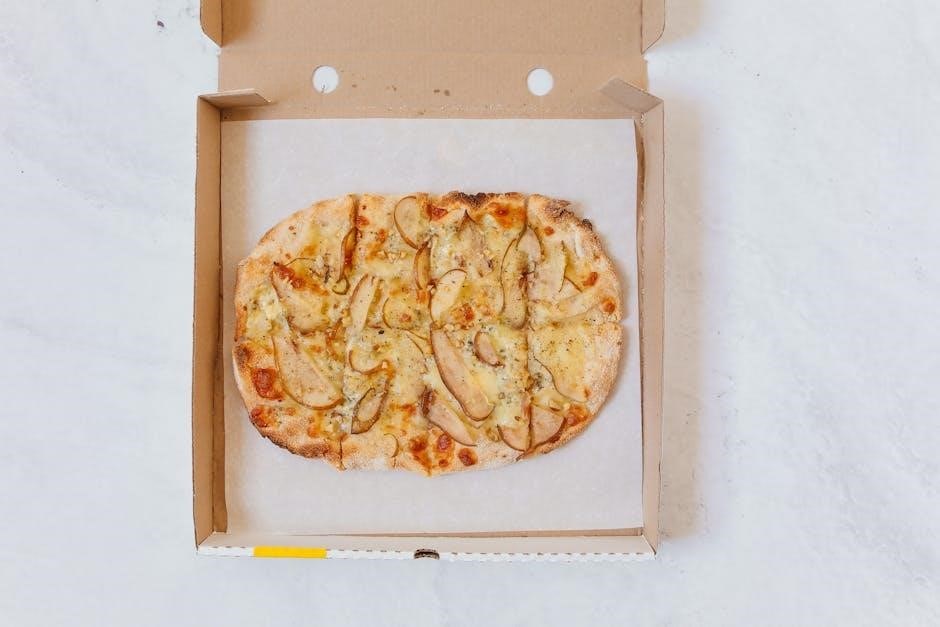
Enhancing Your Ellio’s Pizza Experience
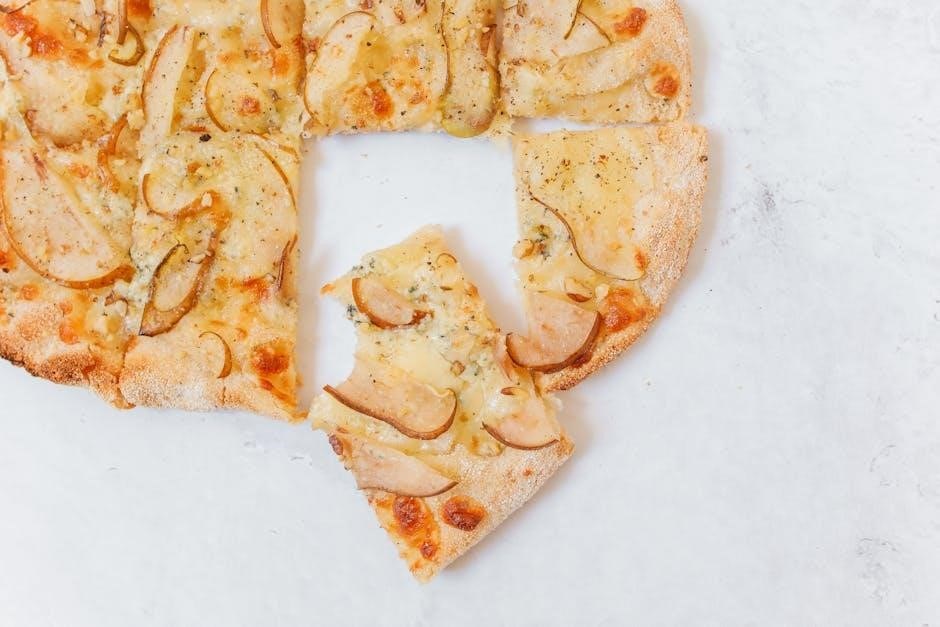
Ellio’s pizza is a blank canvas for creativity, much like Canva! Elevate your meal with extra toppings, customizing flavors to your preference and enjoyment.
Adding Extra Toppings
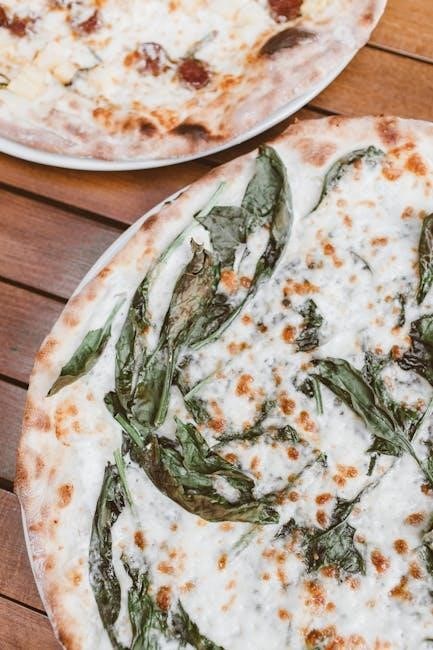
Ellio’s pizza provides a fantastic base for culinary exploration, mirroring the creative freedom offered by tools like Canva. Don’t limit yourself to the pre-set ingredients! Consider enhancing your pizza with a variety of cheeses – a sprinkle of parmesan, a layer of mozzarella, or even a touch of provolone can dramatically alter the flavor profile.
Vegetable additions are equally rewarding. Sliced mushrooms, bell peppers, onions, or even a handful of spinach can add texture and nutritional value. For meat lovers, pepperoni, sausage, or cooked bacon are classic choices. Remember to add toppings sparingly to avoid overwhelming the pizza or preventing it from cooking evenly. Think of it as designing a visual masterpiece, similar to crafting a presentation in Canva – balance and composition are key!
Experiment and discover your perfect combination!
Cheese Variations
Ellio’s pizza, while delicious on its own, truly shines with customized cheese blends – much like utilizing diverse elements within a Canva design. Beyond the standard mozzarella, explore the possibilities! A generous dusting of grated Parmesan adds a salty, umami kick, elevating the overall flavor.
Provolone offers a slightly sharper, more robust taste, creating a delightful contrast. For a creamier experience, consider adding dollops of ricotta cheese after baking. Monterey Jack provides a mild, buttery flavor that complements the tomato sauce beautifully. Don’t be afraid to combine cheeses – a blend of mozzarella, provolone, and Parmesan is a classic for a reason!
Remember, just as in graphic design with Canva, balance is crucial. Avoid overloading the pizza with too much cheese, as it can become greasy and prevent proper cooking.
Vegetable and Meat Additions
Transform your Ellio’s pizza into a culinary masterpiece with thoughtfully chosen additions – similar to enhancing a Canva template with compelling visuals. Pre-cooked Italian sausage crumbles provide a savory, meaty boost, while pepperoni adds a classic spicy kick. Thinly sliced ham or cooked bacon offer smoky, salty flavors.
For vegetable lovers, sautéed mushrooms, bell peppers, and onions create a delightful textural contrast. Black olives add a briny tang, and spinach provides a healthy dose of nutrients. Cherry tomatoes, halved, burst with sweetness when baked. Remember to pre-cook any vegetables that require longer cooking times to ensure they’re tender.
Just as careful layering is key in Canva design, avoid overcrowding the pizza. A moderate amount of toppings ensures even cooking and prevents a soggy crust.
Serving Suggestions
Elevate your Ellio’s pizza experience beyond the simple slice! Just as Canva offers diverse templates, consider pairing your pizza with complementary sides and beverages. A crisp garden salad with a light vinaigrette provides a refreshing contrast to the rich pizza flavors.
For a heartier meal, serve with a side of steamed or roasted vegetables like broccoli or green beans. Garlic bread or breadsticks are classic accompaniments, perfect for soaking up any leftover sauce. Beverage pairings depend on your preference – a cold soda, iced tea, or even a light beer complement the pizza well.
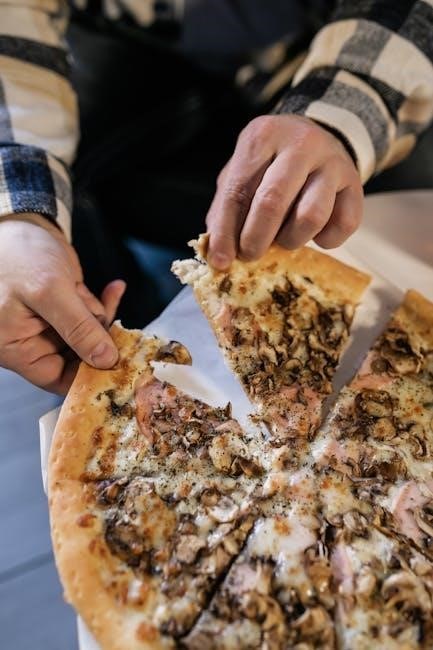
Don’t underestimate the power of presentation! Arrange slices artfully on a plate and garnish with a sprinkle of red pepper flakes or fresh herbs. Enjoy!
Pairing with Drinks
Selecting the right beverage can significantly enhance your Ellio’s pizza enjoyment, much like choosing the perfect Canva template for a design. For a classic pairing, reach for a chilled cola or other carbonated soft drink – the sweetness cuts through the richness of the cheese and sauce.
If you prefer something less sweet, iced tea, particularly lemon iced tea, offers a refreshing contrast. Beer enthusiasts might enjoy a light lager or pilsner, as these won’t overpower the pizza’s flavors. For a more sophisticated pairing, consider a dry rosé wine.
Ultimately, the best drink is the one you enjoy most! Experiment to find your perfect match. Water, of course, is always a good choice to cleanse the palate between bites.
Side Dish Ideas
Complement your Ellio’s pizza with a selection of tasty side dishes, similar to enhancing a Canva design with complementary elements. A simple garden salad with a light vinaigrette provides a refreshing counterpoint to the pizza’s richness. Crunchy carrot and celery sticks with ranch dressing offer a satisfying textural contrast.
For a heartier side, consider a small portion of roasted vegetables like broccoli or Brussels sprouts. Garlic bread or breadsticks are always a popular choice, echoing the pizza’s carb-loaded goodness. Alternatively, a cup of tomato soup provides a comforting and flavorful accompaniment.
Don’t overcomplicate it – the pizza is the star! Keep the sides simple and complementary to create a well-rounded meal.
Troubleshooting Common Issues
Ellio’s pizza can sometimes present challenges, much like refining a Canva design. Addressing uneven cooking, soft crusts, or burnt toppings ensures optimal enjoyment.
Pizza Not Cooking Evenly
If your Ellio’s pizza isn’t cooking evenly, several factors could be at play. First, ensure your oven is properly preheated to the recommended temperature – consistency is key, similar to maintaining a uniform design in Canva. Rotate the pizza halfway through the baking process; this simple step helps distribute heat more effectively.
Check your oven’s heating elements. A malfunctioning element can create hot spots. Also, avoid overcrowding the oven with other dishes, as this can impede airflow and lead to uneven cooking. If using a baking sheet, ensure it’s not blocking airflow underneath the pizza. Consider placing the pizza directly on the oven rack for better heat circulation. Finally, remember that slight variations are normal, but significant unevenness warrants further investigation of your oven’s functionality.
Crust Too Soft
A common issue with Ellio’s pizza is a crust that remains too soft. To combat this, slightly increase the baking time, adding a minute or two beyond the recommended 11-12 minutes at 425°F. Alternatively, switch to the broiler method for the last minute or two, carefully monitoring to prevent burning – much like fine-tuning details in a Canva design.
Ensure the pizza is placed directly on the oven rack, allowing for maximum heat exposure to the crust. Avoid using parchment paper, as it can trap moisture. If using a baking sheet, preheat it in the oven before placing the pizza on it. A hotter surface will help crisp the crust. Remember, achieving a crispy crust requires sufficient heat and airflow, so avoid overcrowding the oven.
Toppings Burning
If you find the Ellio’s pizza toppings are burning before the crust is cooked through, lower the oven temperature slightly – perhaps to 400°F – and extend the baking time. This allows for more even cooking. Alternatively, consider using the broiler method with extreme caution, watching closely and using it only for the final minute to crisp the toppings.
Shielding the toppings with small pieces of aluminum foil can also help prevent burning, similar to selectively editing elements within a Canva project. If adding extra toppings, be mindful that they may require a longer cooking time and are more prone to burning. Regularly check the pizza’s progress and adjust the cooking time accordingly to achieve perfectly melted cheese and cooked toppings without charring.