Smithfield Marinated Pork Tenderloin Cooking Instructions: A Comprehensive Guide
Smithfield offers convenient‚ pre-marinated pork tenderloin‚ simplifying dinner preparation and delivering flavorful results with minimal effort for cooks everywhere․
Understanding Smithfield Marinated Pork Tenderloin
Smithfield’s marinated pork tenderloin represents a significant convenience for home cooks‚ offering a pre-seasoned cut ready for various cooking methods․ These tenderloins are typically sourced as a lean‚ boneless cut of pork‚ known for its mild flavor and quick cooking time․ The marinades themselves are carefully crafted to infuse the pork with delicious flavors‚ reducing preparation time and enhancing the overall dining experience․
Unlike larger pork roasts‚ the tenderloin remains incredibly tender when cooked properly‚ making it a versatile option for weeknight meals or more elaborate dinners․ Smithfield partners with growers like Stemilt to inspire recipe creation‚ showcasing the pork’s adaptability․ The affordability and accessibility of this cut further contribute to its popularity among consumers seeking both quality and convenience in their meal planning․
Key Features of Smithfield Marinades
Smithfield marinades are designed for maximum flavor penetration and tenderness‚ utilizing a blend of herbs‚ spices‚ and often‚ a touch of sweetness․ These marinades aren’t simply surface coatings; they work to break down muscle fibers‚ resulting in a more succulent and juicy final product․ The pre-marinated aspect eliminates the need for home cooks to create their own blends‚ saving valuable time and ensuring consistent results․
A key feature is the balance of ingredients – often including brown sugar‚ dry mustard‚ paprika‚ and onion powder – creating a harmonious flavor profile․ Some varieties‚ like Roasted Garlic & Herb‚ focus on savory notes‚ while others lean towards sweeter glazes․ The convenience allows for flexible cooking‚ whether baking‚ grilling‚ or slow cooking‚ always delivering a flavorful and tender pork tenderloin․
Available Smithfield Marinade Flavors
Smithfield offers a diverse range of marinade flavors to suit various palates․ Popular options include Roasted Garlic & Herb‚ providing a classic savory experience‚ and options featuring balsamic glaze for a sweet and tangy profile․ Consumers can also find varieties with bolder spice blends‚ catering to those who prefer a more robust flavor․
The selection frequently expands with seasonal offerings and limited-edition flavors‚ keeping the product line fresh and exciting․ These marinades are designed to complement the natural flavor of the pork tenderloin‚ enhancing rather than masking its inherent qualities․ Many recipes suggest pairing these flavors with complementary side dishes‚ like roasted vegetables‚ to create a complete and satisfying meal․

Preparation Before Cooking
Before cooking Smithfield marinated pork‚ proper preparation ensures optimal results‚ enhancing flavor and tenderness for a truly enjoyable dining experience․
Removing the Tenderloin from Packaging
Carefully remove the Smithfield marinated pork tenderloin from its packaging‚ avoiding any punctures to the marinade pouch if applicable․ Some packages may contain two tenderloins‚ so verify the quantity․ Gently separate the tenderloins if they are packaged together‚ being mindful not to tear the meat․ Place the removed tenderloin onto a clean cutting board or a plate dedicated to raw meats to prevent cross-contamination․ Discard the packaging responsibly․ Inspect the tenderloin visually for any damage that may have occurred during transport․ Ensure no plastic or packaging materials remain adhered to the pork before proceeding to the next preparation step․ This initial step is crucial for a safe and successful cooking process‚ setting the stage for a delicious meal․
Checking for Silver Skin
Inspect the pork tenderloin for silver skin‚ a thin‚ silvery membrane on the surface․ This membrane doesn’t break down during cooking and can make the pork tough․ Locate the silver skin‚ typically found on one or both sides of the tenderloin․ Using a sharp fillet knife‚ gently slide the tip under the silver skin․ Holding the skin taut‚ carefully slice it away from the meat‚ angling the knife slightly․ Avoid removing too much of the underlying pork․ If the silver skin is stubborn‚ use your fingers to help lift it as you slice․ Removing the silver skin ensures a more tender and enjoyable eating experience‚ maximizing the flavor and texture of the Smithfield marinated pork․
Patting the Pork Dry
Before cooking‚ thoroughly pat the Smithfield marinated pork tenderloin dry with paper towels․ This crucial step removes excess moisture from the surface‚ promoting a beautiful sear and preventing steaming․ Steaming results in pale‚ less flavorful pork․ Use several paper towels‚ pressing gently but firmly across the entire surface of the tenderloin․ Continue patting until the paper towels come away dry․ A dry surface allows the Maillard reaction – the chemical reaction between amino acids and reducing sugars – to occur‚ creating a rich‚ browned crust․ This enhances both the flavor and visual appeal of the finished dish‚ ensuring a delicious and satisfying meal․
Cooking Methods
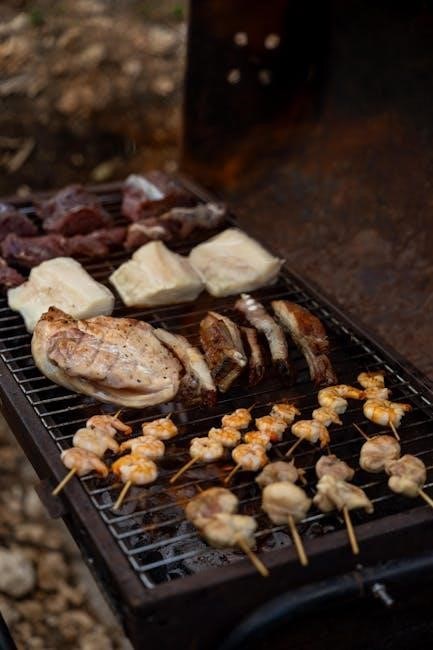
Smithfield marinated pork tenderloin excels with various cooking techniques‚ including oven baking‚ sheet pan meals‚ grilling‚ and slow cooking‚ offering versatility․
Oven Baking: A Popular Choice
Oven baking is a remarkably straightforward and consistently successful method for preparing Smithfield marinated pork tenderloin‚ making it ideal for both novice and experienced cooks․ Begin by preheating the oven to 400°F (200°C) to ensure even cooking and optimal browning․
Baking time and temperature will vary slightly depending on the thickness of the tenderloin‚ but generally‚ a 1․5 to 2-pound tenderloin requires approximately 20-25 minutes․ For best results‚ always utilize a meat thermometer․
Insert the thermometer into the thickest part of the tenderloin‚ ensuring it doesn’t touch bone or fat․ The safe internal temperature for pork is 145°F (63°C)․ Allow the pork to rest for 5-10 minutes after removing it from the oven; this allows the juices to redistribute‚ resulting in a more tender and flavorful final product․
Preheating the Oven
Preheating the oven is a crucial first step when employing the oven baking method for your Smithfield marinated pork tenderloin․ Consistent and accurate oven temperature is paramount for even cooking and achieving a beautifully browned exterior․ Set your oven to precisely 400°F (200°C)․
Allow sufficient time for the oven to fully reach the set temperature – typically around 15-20 minutes․ Using an oven thermometer can verify accuracy‚ as oven calibrations can sometimes vary․ A properly preheated oven ensures the pork tenderloin begins to cook immediately upon insertion‚ preventing uneven cooking and maintaining optimal moisture․
This initial heating phase is fundamental to a successful and delicious outcome‚ guaranteeing a tender and flavorful meal․ Don’t rush this step!
Baking Time and Temperature
For optimal results when baking Smithfield marinated pork tenderloin‚ maintain a consistent oven temperature of 400°F (200°C)․ Baking time will vary slightly depending on the tenderloin’s weight‚ but generally‚ allow approximately 20-25 minutes for a 1․5 to 2-pound tenderloin․
Begin checking for doneness around the 20-minute mark․ Avoid opening the oven door frequently‚ as this can lower the temperature and prolong cooking․ The goal is to achieve an internal temperature of 145°F (63°C) for safe and juicy pork․
Remember‚ carryover cooking will continue to raise the temperature slightly after removal from the oven․ Consistent temperature and mindful timing are key to a perfectly baked tenderloin․
Using a Meat Thermometer
Employing a meat thermometer is crucial for ensuring your Smithfield marinated pork tenderloin reaches a safe and delicious internal temperature․ Insert the thermometer into the thickest part of the tenderloin‚ avoiding any bone or fat․ Aim for a final internal temperature of 145°F (63°C)‚ as recommended by food safety guidelines․
Digital instant-read thermometers provide the most accurate and rapid readings․ Begin checking the temperature around the 20-minute mark during baking or grilling․ Remember that the temperature will continue to rise slightly – approximately 5-10°F – after removing the pork from the heat source due to carryover cooking․
Precise temperature monitoring guarantees a tender‚ juicy‚ and safely cooked pork tenderloin every time․
Sheet Pan Cooking with Vegetables
Smithfield marinated pork tenderloin lends itself beautifully to convenient sheet pan dinners․ This method minimizes cleanup and maximizes flavor by roasting the pork alongside your favorite vegetables․ Consider pairing the pork with hearty root vegetables like potatoes‚ carrots‚ and parsnips‚ or opt for quicker-cooking options like broccoli‚ bell peppers‚ and onions․
Toss the vegetables with olive oil‚ herbs‚ and seasonings before arranging them around the pork tenderloin on a single sheet pan․ Ensure the vegetables are cut into similar sizes for even cooking․ Preheat your oven to 400°F (200°C) and roast for approximately 20-25 minutes‚ or until the pork reaches an internal temperature of 145°F․
Sheet pan dinners offer a complete and satisfying meal with minimal effort!
Grilling for a Smoky Flavor
Smithfield marinated pork tenderloin truly shines when grilled‚ absorbing a delightful smoky flavor that complements the marinade․ Prepare your grill to medium-high heat‚ ensuring the grates are clean and lightly oiled to prevent sticking․ Place the pork tenderloin on the grill and cook for approximately 15-20 minutes‚ turning occasionally to ensure even cooking and beautiful grill marks․
Using a meat thermometer is crucial; aim for an internal temperature of 145°F (63°C)․ Avoid overcooking‚ as pork tenderloin can become dry․ For enhanced flavor‚ consider adding wood chips – applewood or hickory pair exceptionally well with pork․ Grilling imparts a wonderful char and depth of flavor‚ making it a fantastic cooking method․
Slow Cooking for Tenderness
Smithfield marinated pork tenderloin becomes incredibly tender and flavorful when slow-cooked‚ making it ideal for busy weeknights․ Place the tenderloin in a slow cooker and add about half a cup of liquid – broth‚ apple juice‚ or even the marinade itself work wonderfully․ Cook on low for 6-8 hours‚ or on high for 3-4 hours․
The low and slow cooking process breaks down the muscle fibers‚ resulting in exceptionally tender pork․ While a marinade isn’t strictly necessary for slow cooking‚ Smithfield’s pre-marinated options add a significant boost of flavor․ Ensure the internal temperature reaches 145°F (63°C) before serving․ This method is perfect for creating pull-apart pork for sandwiches or tacos!

Marinade Considerations
Smithfield marinades infuse flavor‚ tenderizing the pork; however‚ extended marinating isn’t always beneficial and can alter the texture negatively․
The Role of the Marinade
Smithfield marinades play a crucial dual role in preparing their pork tenderloin․ Firstly‚ they impart a significant amount of flavor‚ penetrating the meat to create a delicious and enjoyable eating experience․ The pre-mixed marinades offer a variety of tastes‚ from savory garlic and herb combinations to sweeter balsamic glazes‚ eliminating the need for homemade marinades if desired․
Secondly‚ the marinade assists in tenderizing the pork․ While pork tenderloin is already a relatively tender cut‚ the marinade’s ingredients‚ often including acids‚ help to break down muscle fibers‚ resulting in an even more succulent and tender final product․ This is particularly beneficial for ensuring a consistently pleasant texture‚ regardless of cooking method․ The marinade isn’t just a flavor boost; it actively enhances the meat’s inherent qualities․
Extending Marinade Time (Caution)
While Smithfield marinades are formulated for optimal flavor and tenderness within a reasonable timeframe‚ extending the marinating period requires caution․ Although tempting to maximize flavor‚ prolonged exposure to the marinade’s acids can actually begin to break down the pork’s texture too much‚ resulting in a mushy or mealy consistency․
Generally‚ it’s best to adhere to the recommended marinating time indicated on the packaging – typically a few hours is sufficient․ If you must marinate longer‚ do not exceed 24 hours․ Always marinate in the refrigerator to maintain food safety․ Remember‚ the marinade is designed to enhance‚ not compromise‚ the natural quality of the pork tenderloin․ Over-marinating can be counterproductive․
Creating Your Own Marinade (If Desired)
While Smithfield marinades offer convenience and expertly balanced flavors‚ feel free to customize your pork tenderloin with a homemade marinade! A basic marinade typically includes an acid (like citrus juice or vinegar)‚ an oil (olive or vegetable)‚ and seasonings․ Experiment with herbs‚ spices‚ garlic‚ and sweeteners like honey or brown sugar․
For a simple blend‚ combine olive oil‚ lemon juice‚ Dijon mustard‚ minced garlic‚ rosemary‚ and black pepper․ Remember to balance the acidity to prevent the pork from becoming overly tender or mushy․ Marinate for at least 30 minutes‚ but no more than 24 hours‚ in the refrigerator․ Homemade marinades allow for personalized flavor profiles‚ complementing your preferred side dishes and culinary preferences․
Recipe Ideas & Variations
Smithfield marinated pork tenderloin lends itself to diverse recipes‚ from garlic and herb-infused dishes to balsamic glazes and flavorful combinations with roasted vegetables․
Garlic and Herb Pork Tenderloin
This classic preparation beautifully complements Smithfield’s Roasted Garlic & Herb marinated pork tenderloin․ Begin by preheating your oven to 400°F (200°C)․ Lightly drizzle a sheet pan with olive oil․ Place the pork tenderloin directly onto the prepared pan․
For enhanced flavor‚ make small slits across the tenderloin and insert thin slices of fresh garlic․ Sprinkle generously with additional dried herbs like rosemary‚ thyme‚ and oregano․ Bake for approximately 20-25 minutes‚ or until a meat thermometer inserted into the thickest part registers 145°F (63°C)․
Let the pork rest for 5-10 minutes before slicing and serving․ This allows the juices to redistribute‚ resulting in a more tender and flavorful experience․ Garnish with fresh parsley for a vibrant presentation․ This recipe is a simple yet elegant way to enjoy Smithfield’s pre-marinated convenience․
Balsamic Glazed Pork Tenderloin
Elevate your pork tenderloin with a sweet and tangy balsamic glaze! Start with Smithfield’s marinated tenderloin – any flavor works well‚ but a milder marinade complements the balsamic best․ Preheat your oven to 400°F (200°C) and place the tenderloin on a lightly oiled baking sheet․
Bake for 20-25 minutes‚ or until the internal temperature reaches 145°F (63°C)․ While the pork cooks‚ prepare the glaze by simmering ½ cup balsamic vinegar in a saucepan until reduced by half and slightly thickened․
During the last 5-10 minutes of cooking‚ brush the pork generously with the balsamic glaze․ Continue baking until the glaze is beautifully caramelized․ Let rest for 5 minutes before slicing․ This balsamic glaze adds a sophisticated touch to Smithfield’s convenient pork tenderloin․
Pork Tenderloin with Roasted Vegetables
Create a complete and flavorful meal by roasting Smithfield marinated pork tenderloin alongside your favorite vegetables! Preheat your oven to 400°F (200°C)․ Chop a medley of vegetables – broccoli‚ Brussels sprouts‚ carrots‚ and potatoes work wonderfully – and toss them with olive oil‚ salt‚ pepper‚ and herbs like rosemary or thyme․

Spread the vegetables in a single layer on a large baking sheet․ Place the Smithfield pork tenderloin directly on top of the vegetables․ Bake for 25-30 minutes‚ or until the pork reaches an internal temperature of 145°F (63°C) and the vegetables are tender and slightly browned․
This one-pan method simplifies cleanup and delivers a delicious‚ healthy‚ and satisfying dinner․ The marinade infuses the pork with flavor‚ complementing the roasted vegetables perfectly․

Serving Suggestions

Smithfield marinated pork tenderloin pairs beautifully with roasted vegetables‚ rice pilaf‚ or a fresh salad for a complete and satisfying dining experience․
Recommended Side Dishes
Smithfield marinated pork tenderloin is incredibly versatile‚ lending itself to a wide array of side dish pairings․ For a classic combination‚ consider roasted root vegetables like carrots‚ parsnips‚ and sweet potatoes‚ their natural sweetness complementing the pork’s savory flavors․ A simple green salad with a light vinaigrette provides a refreshing contrast․
Mashed potatoes‚ whether classic or garlic-infused‚ are always a crowd-pleaser․ Rice pilaf‚ especially one with herbs or toasted nuts‚ adds texture and complexity․ For a heartier meal‚ try creamy polenta or quinoa․ Asparagus‚ green beans‚ or Brussels sprouts‚ lightly sautéed or roasted‚ offer vibrant color and nutritional value․ Don’t forget a crusty bread to soak up any delicious pan juices!
Wine Pairings
Smithfield marinated pork tenderloin’s flavor profile‚ influenced by the specific marinade‚ dictates the ideal wine pairing․ Generally‚ lighter-bodied red wines work beautifully․ Pinot Noir‚ with its earthy notes and bright acidity‚ is an excellent choice‚ especially with herb or garlic-based marinades․ Beaujolais‚ a fruity and approachable red‚ also complements the pork’s tenderness․
For sweeter marinades‚ like balsamic glaze‚ consider a rosé with a touch of residual sugar․ A dry Riesling can also cut through the sweetness and provide a refreshing contrast․ If you prefer white wine‚ a Chardonnay (unoaked or lightly oaked) offers a creamy texture that pairs well with the pork․ Ultimately‚ the goal is to find a wine that enhances‚ not overwhelms‚ the dish’s flavors․
Portion Sizes
Smithfield marinated pork tenderloin is a versatile protein‚ making portion control straightforward․ A standard pork tenderloin typically weighs between 1 to 1․5 pounds‚ comfortably serving 4-6 people․ A recommended serving size is approximately 3-4 ounces (85-113 grams) of cooked pork per person․
Consider the accompanying side dishes when determining portion sizes․ If serving with substantial sides like roasted potatoes and vegetables‚ slightly smaller pork portions may suffice․ For lighter meals‚ increase the pork serving․ Remember that pork tenderloin is lean‚ so generous portions are acceptable․ Adjust based on appetite and dietary needs‚ ensuring a balanced and satisfying meal for everyone․

Safety and Storage
Smithfield pork must reach an internal temperature of 145°F (63°C) for safe consumption; leftovers should be refrigerated promptly and consumed within 3-4 days․
Safe Internal Temperature
Ensuring your Smithfield marinated pork tenderloin reaches a safe internal temperature is paramount for preventing foodborne illness․ The United States Department of Agriculture (USDA) recommends cooking pork to an internal temperature of 145°F (63°C)‚ measured with a food thermometer inserted into the thickest part of the tenderloin․
Allowing the pork to rest for three minutes after cooking is crucial‚ as this allows the temperature to equalize and ensures any harmful bacteria are eliminated․ Using a reliable meat thermometer is the most accurate way to determine doneness‚ as visual cues can be misleading․ Remember‚ color is not a reliable indicator of safety․
Consuming undercooked pork can pose health risks‚ so prioritize accurate temperature measurement․ Always clean your thermometer probe with hot‚ soapy water before and after each use to prevent cross-contamination․ Prioritizing food safety guarantees a delicious and worry-free meal for you and your family․
Storing Leftovers
Properly storing leftover Smithfield marinated pork tenderloin is essential to maintain its quality and prevent bacterial growth․ Allow the cooked pork to cool to room temperature before transferring it to airtight containers or resealable plastic bags․ Refrigerate leftovers promptly‚ ideally within two hours of cooking‚ to inhibit bacterial proliferation․
When stored correctly‚ cooked pork tenderloin will remain safe to eat for three to four days in the refrigerator․ For longer storage‚ consider freezing the leftovers․ Wrap the pork tightly in freezer-safe wrap or place it in a freezer bag‚ removing as much air as possible․ Frozen pork tenderloin can maintain good quality for up to two to three months․
Always label and date your stored leftovers for easy tracking and to ensure timely consumption․ Discard any leftovers that have been refrigerated for longer than four days or show signs of spoilage․
Reheating Instructions
Reheating leftover Smithfield marinated pork tenderloin requires careful attention to retain its moisture and flavor․ The oven is a preferred method; preheat to 325°F (160°C)․ Place the pork in an oven-safe dish with a splash of broth or marinade to prevent drying․ Cover with foil and heat for approximately 15-20 minutes‚ or until warmed through to an internal temperature of 145°F (63°C)․
Alternatively‚ you can reheat the pork in a skillet over medium heat․ Add a small amount of oil or broth to the pan and cook for 5-7 minutes per side‚ ensuring it’s heated evenly․ Microwaving is the quickest option‚ but may result in a less desirable texture․ Use short bursts of 30-second intervals‚ checking frequently to avoid overcooking․

Always use a meat thermometer to confirm the pork has reached a safe internal temperature before serving․