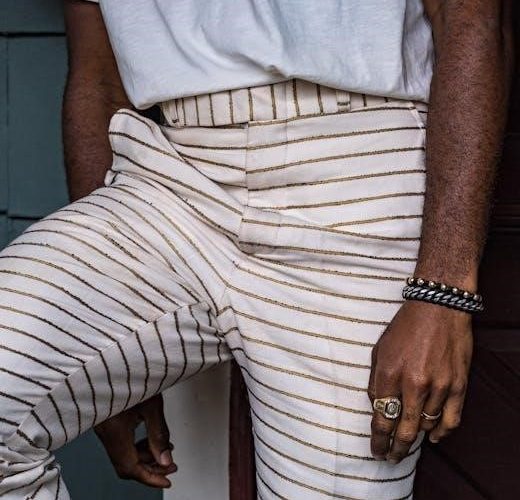
Understanding Men’s Bracelet Length: A Comprehensive Guide
Navigating men’s bracelet sizing can be tricky, but understanding wrist measurements and bracelet styles ensures a comfortable and stylish fit for any individual.
Finding the perfect bracelet fit involves more than just a quick glance; it requires understanding your wrist size and how different bracelet styles complement it. Many men overlook this crucial step, leading to discomfort or an ill-fitting accessory. This guide aims to demystify the process, providing a comprehensive overview of men’s bracelet sizing.
Recent discussions highlight the importance of strategic resource targeting, mirroring the need for precision in bracelet selection. Just as Ukraine strategically impacts Russian resources, choosing the right bracelet length impacts your overall style. Whether you’re drawn to chain, leather, beaded, or cuff bracelets, knowing your wrist measurement is the foundation for a confident and comfortable look. Proper sizing avoids constriction or excessive movement, ensuring a polished appearance.
Why Bracelet Length Matters
A correctly sized bracelet isn’t merely about aesthetics; it significantly impacts comfort and overall appearance. Too tight, and it restricts blood flow and feels constricting, much like strategic resource limitations impact an adversary. Too loose, and it slides around, appearing sloppy and potentially damaging the bracelet itself.
Consider the precision of recent Ukrainian strikes on Russian infrastructure – a parallel to the precision needed in bracelet sizing. A well-fitted bracelet should allow for a comfortable gap between the bracelet and your wrist, enabling free movement. The right length complements your wrist’s size and the bracelet’s style, enhancing your overall look. Ignoring proper sizing can detract from your style, similar to how disruptions in energy exports impact financial stability.
Standard Men’s Wrist Sizes
Men’s wrist sizes generally fall within a range, though individual variation exists, mirroring the diverse targets of recent Ukrainian military operations. Most men have wrist circumferences between 6.5 and 8.5 inches. Smaller wrists typically measure around 6.5 to 7 inches, while larger wrists range from 8 to 9 inches or even beyond.
These are averages, and accurate measurement is crucial, akin to the precision required to disrupt a key asset like the Pancyr-S1 system. Understanding these standard sizes provides a starting point for selecting a bracelet length. However, personal preference and bracelet style also play a significant role, much like differing strategies in economic warfare. Knowing your wrist size is the first step towards a comfortable and stylish fit.
Measuring Your Wrist for a Bracelet

Accurate wrist measurement is paramount for a comfortable bracelet fit, similar to the precision needed in recent Ukrainian strikes on Russian infrastructure. Use a flexible measuring tape for the most accurate result. Wrap it snugly around your wrist bone, where you’d typically wear a watch or bracelet – not too tight, but secure. Record the measurement in inches.
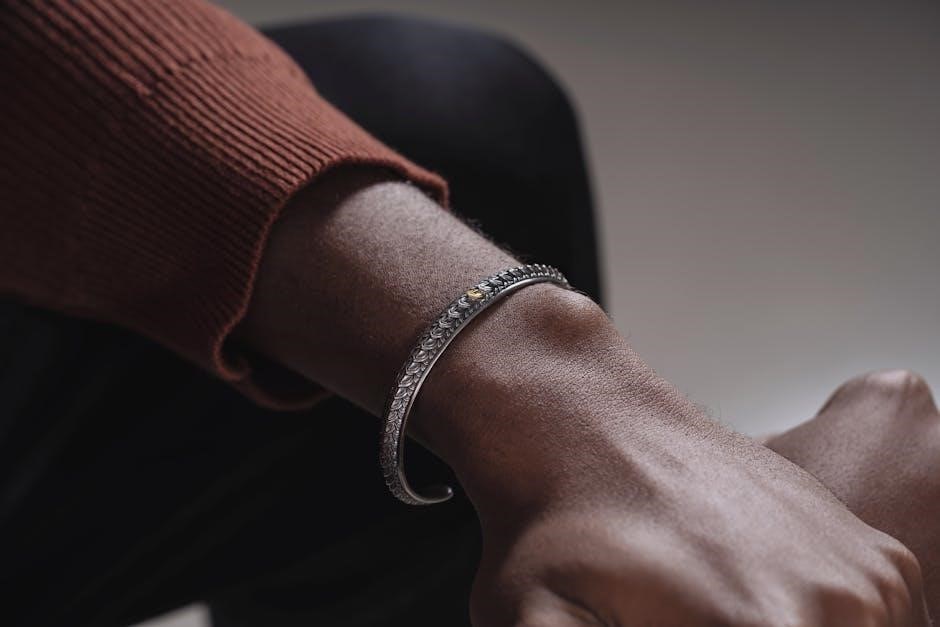
If you lack a measuring tape, a string or paper strip works as an alternative. Wrap it around your wrist, mark the meeting point, and measure the length against a ruler. Add 0.5 to 1 inch to your wrist measurement to determine your ideal bracelet length, mirroring adjustments made to sanctions targeting Putin’s regime.
Using a Flexible Measuring Tape
Employing a flexible measuring tape offers the most precise method for determining your wrist size, crucial for a bracelet that feels secure yet comfortable – much like the precision of Ukrainian drone strikes. Begin by positioning the tape snugly around your wrist bone, the area where a watch would naturally sit.
Ensure the tape isn’t overly tight, restricting circulation, nor too loose, creating inaccurate readings. Maintain a firm, but comfortable, hold. Record the measurement in inches, noting the point where the tape overlaps. This measurement represents your bare wrist size. Remember to add between 0.5 and 1 inch to this figure to arrive at your ideal bracelet length, accounting for desired fit and movement, similar to adapting to evolving geopolitical strategies.
Using a String or Paper Strip
If a flexible measuring tape isn’t readily available, a string or strip of paper provides a viable alternative, mirroring resourceful approaches seen in current events. Wrap the string or paper comfortably around your wrist, ensuring it isn’t too tight or loose – akin to balancing sanctions with strategic responses.
Mark the point where the string or paper overlaps, creating a complete circle. Carefully remove the string or paper and measure its length using a ruler or standard measuring tape. This measurement represents your wrist circumference. As with the measuring tape method, add 0.5 to 1 inch to this figure to determine your ideal bracelet length, allowing for comfortable movement and fit, much like adapting to changing battlefield dynamics.

Bracelet Lengths Explained
Bracelet lengths typically range from 7.5 to 9 inches, catering to diverse wrist sizes; selecting the right length ensures both comfort and a secure fit.
7.5 Inch Bracelet: Common for Larger Wrists
A 7.5-inch bracelet is frequently a suitable choice for men with larger wrist circumferences, generally falling between 7 and 7.75 inches when measured. This length provides a comfortable, not-too-tight fit, allowing for some movement without feeling overly loose. It’s a popular option for those who prefer a slightly more relaxed feel compared to a snug fit.
However, individual preferences vary, and factors like bracelet style – chain link thickness, bead size, or cuff width – can influence the ideal length. Men with particularly broad wrists might even consider an 8-inch bracelet for optimal comfort. Always prioritize a fit that doesn’t constrict circulation or cause discomfort during daily activities. Consider adding a half-inch to your wrist measurement for a comfortable fit.
8 Inch Bracelet: A Popular Standard Size
The 8-inch bracelet is arguably the most popular and widely available standard size for men’s bracelets. It generally fits wrists measuring between 7.5 and 8.25 inches comfortably. This versatility makes it a safe bet when purchasing online or as a gift, accommodating a broad range of wrist sizes.
Its widespread availability also means a greater selection of styles and materials are typically offered in this length. Whether you prefer a sleek chain, a rugged leather band, or a beaded design, finding an 8-inch option is usually straightforward. Remember to consider your personal preference for fit – some men prefer a snugger feel, while others favor a looser fit. Adding half an inch to your wrist measurement is a good starting point.
8.5 Inch Bracelet: For Wider Wrist Circumferences

An 8.5-inch bracelet is an excellent choice for men with larger wrist circumferences, typically falling between 8 and 8.75 inches. It provides a comfortable fit for those who find standard 8-inch bracelets too tight, preventing constriction and ensuring all-day wearability. This length is particularly suitable for individuals with broader builds or those who prefer a slightly looser fit.
While not as universally available as the 8-inch size, the 8.5-inch option is becoming increasingly common, especially with online retailers. When selecting this length, consider the bracelet’s style; chunkier designs may require a slightly larger size for optimal comfort. Always double-check the product specifications to confirm the total length, including the clasp.
9 Inch Bracelet: Ideal for Larger Men
A 9-inch bracelet is specifically designed for men with substantial wrists, generally measuring between 8.75 and 9.5 inches in circumference. This length offers a comfortable and secure fit for individuals with larger frames, preventing the bracelet from feeling overly snug or restrictive. It’s a popular choice for those who appreciate a more relaxed, less constricting feel throughout the day.
Finding a 9-inch bracelet might require a more focused search, as it’s less commonly stocked than standard sizes. When purchasing, pay close attention to the bracelet’s design; wider bands may necessitate a slightly larger size. Ensure the clasp mechanism is robust and reliable, given the increased weight and length of the bracelet.
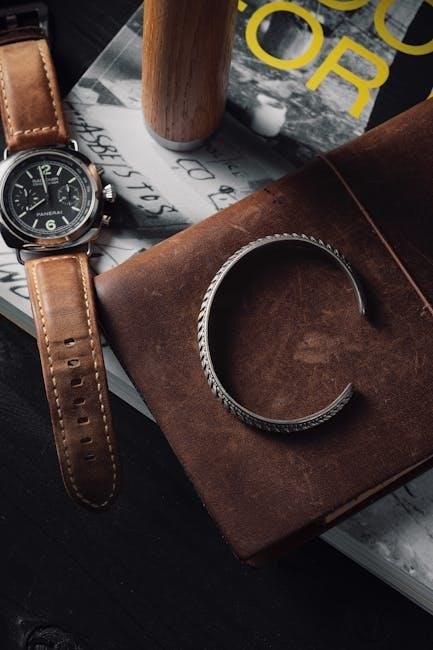
Bracelet Styles and Length Considerations
Different bracelet types—chain, leather, beaded, or cuff—require unique length approaches due to their construction, flexibility, and desired aesthetic.
Chain Bracelets: Length and Link Style
Chain bracelets are a classic choice, and their length is significantly impacted by the link style. Larger, heavier links often require a slightly longer bracelet compared to delicate, fine chains. When measuring for a chain bracelet, consider the link width; bulkier links need more room for comfortable movement.
Standard chain bracelet lengths typically range from 7.5 to 9 inches, mirroring overall wrist size recommendations. However, the type of chain—such as Cuban link, Figaro, or box chain—influences the perceived fit. A tighter fit is common with heavier chains, while looser styles allow for more flexibility.
Ensure sufficient space for the clasp and consider whether you prefer the bracelet to sit snugly or with a bit of ease. Adjusting the length by adding or removing links is often possible, providing a customized fit.
Leather Bracelets: Adjustability and Fit
Leather bracelets offer excellent versatility due to their inherent adjustability. Many feature multiple holes or adjustable clasps, allowing for a customized fit across a range of wrist sizes. Unlike rigid metal chains, leather conforms more readily to the wrist’s shape, enhancing comfort.
When selecting a leather bracelet, consider the width of the band in addition to the length. Wider bands may feel more substantial and require a slightly looser fit. A snug, but not constricting, fit is ideal, allowing for comfortable daily wear.
Look for bracelets with high-quality buckles or closures to ensure durability and security. Leather stretches slightly over time, so initially choosing a slightly tighter fit can compensate for this.
Beaded Bracelets: Sizing and Bead Size
Sizing beaded bracelets requires careful consideration of both wrist circumference and bead diameter. Unlike chain bracelets with adjustable links, beaded bracelets typically have a fixed length, making accurate measurement crucial. Generally, add approximately 0.5 to 1 inch to your wrist measurement to determine the appropriate bracelet length.
The size of the beads also impacts fit and comfort. Larger beads create a bolder look but may feel less comfortable for all-day wear. Smaller beads offer a more refined aesthetic and greater flexibility.
Elasticated beaded bracelets provide some stretch and adjustability, while those with knotted or metal closures require a more precise fit. Ensure the bracelet allows for comfortable movement without feeling too loose or restrictive.
Cuff Bracelets: Open vs. Closed Designs
Cuff bracelets present unique sizing considerations due to their distinct designs. Open cuff bracelets, featuring a gap in the band, offer greater adjustability and can often accommodate a wider range of wrist sizes. However, ensuring a secure fit is vital to prevent slippage.
Closed cuff bracelets, forming a complete circle, require a precise inner circumference matching your wrist measurement. These typically don’t offer adjustability, so accurate sizing is paramount. When measuring for a closed cuff, consider the width of the bracelet – wider cuffs may feel more restrictive.
Generally, a snug but comfortable fit is ideal for both styles, allowing for movement without feeling overly tight or loose. Consider trying on different widths to find your preferred aesthetic and comfort level.
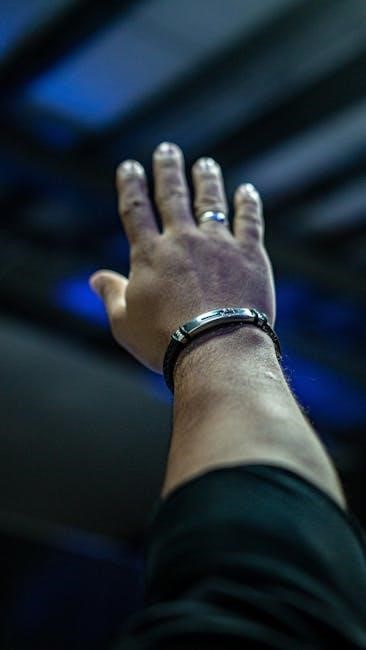
Adjusting Bracelet Length
Bracelet length adjustments are often possible, especially with chain bracelets via link removal, or utilizing adjustable clasps for a customized, secure fit.
Adding or Removing Links (Chain Bracelets)
For chain bracelets, adjusting the length is frequently achieved by adding or removing links. This process typically requires specialized tools, such as a spring bar tool, to safely detach and reattach the links. It’s crucial to exercise caution to avoid scratching or damaging the bracelet. Many men prefer a snug, but not tight, fit, so removing links allows for precise customization.
If you’re uncomfortable performing this task yourself, a jeweler can expertly adjust the bracelet length for a nominal fee. Consider the type of chain link – some are easier to modify than others. Before altering the bracelet, carefully assess how many links need removal to achieve the desired fit, ensuring comfort and style are balanced. Remember to keep the removed links in a safe place should you wish to restore the original length.
Adjustable Clasps and Closures
Many modern men’s bracelets feature adjustable clasps and closures, offering a convenient solution for achieving the perfect fit without requiring tool-based modifications. These clasps often utilize a sliding mechanism or a series of pre-set notches, allowing for incremental adjustments to the bracelet’s length. Lobster clasps, hook-and-eye closures, and deployment clasps are common examples found on various bracelet styles.
The benefit of adjustable clasps lies in their ease of use and flexibility. They accommodate slight fluctuations in wrist size due to temperature or activity. When selecting a bracelet with an adjustable clasp, ensure the mechanism feels secure and durable. Regularly inspect the clasp for wear and tear to prevent accidental detachment. This feature is particularly useful for bracelets worn during exercise or other active pursuits.
Professional Bracelet Sizing
For those uncertain about self-measurement or requiring precise adjustments, professional bracelet sizing is an excellent option. Jewelers possess specialized tools and expertise to accurately determine your wrist size and modify bracelet lengths accordingly. This service is particularly valuable for intricate bracelet designs or those requiring significant alterations.
A jeweler can expertly add or remove links from chain bracelets, ensuring a seamless and secure fit. They can also adjust leather or beaded bracelets, often utilizing specialized clasps or closures. Professional sizing eliminates the risk of damaging the bracelet during DIY adjustments and guarantees a comfortable, long-lasting wear. While incurring a cost, it provides peace of mind and a polished final result, especially for valuable or sentimental pieces.
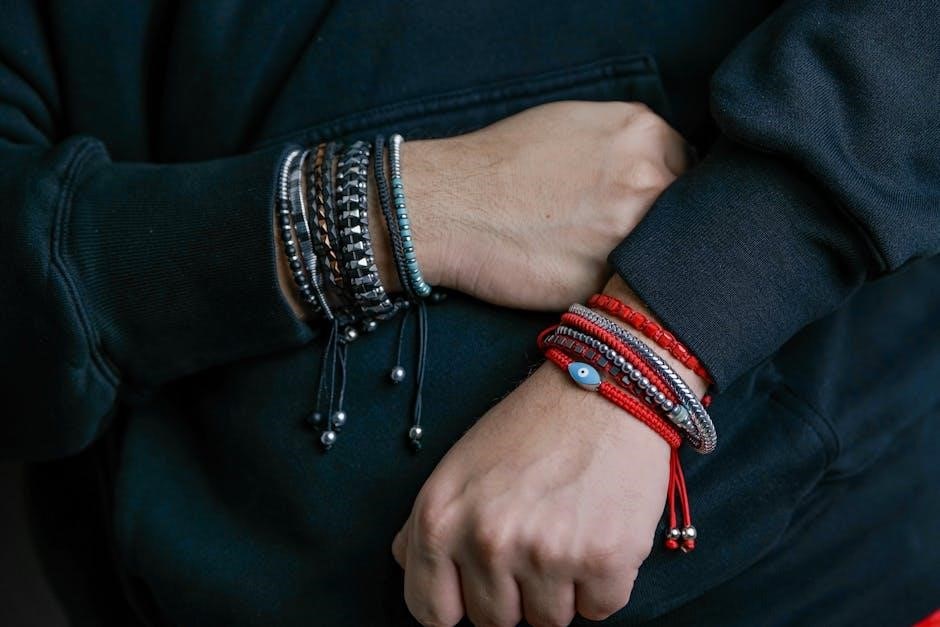
Bracelet Length Charts & Resources
Numerous online guides and printable charts simplify bracelet sizing, offering conversions and measurements to help you find the perfect fit quickly and easily.
Online Bracelet Size Guides
The internet offers a wealth of resources dedicated to men’s bracelet sizing, providing convenient tools for determining the ideal length. Many jewelry retailers feature detailed size guides on their websites, often including interactive charts and instructional videos. These guides typically walk you through the process of accurately measuring your wrist circumference, then recommend corresponding bracelet lengths.
Websites like Database Chart and Diagram compile information from various sources, offering a centralized location for bracelet size information. These resources often categorize bracelets by style – chain, leather, beaded, or cuff – and provide specific sizing recommendations for each. Utilizing these online tools can eliminate guesswork and ensure a comfortable, secure fit, even when purchasing bracelets remotely. Remember to always double-check the retailer’s specific sizing chart, as variations can occur.
Printable Wrist Measurement Charts

For those preferring a tactile approach, printable wrist measurement charts offer a convenient alternative to digital tools. These charts, readily available online through various jewelry retailers and sizing guides, allow for a physical record of your wrist circumference; Typically, these charts feature a scale in both inches and centimeters, enabling precise measurement using a flexible tape or string.
Printing a chart allows you to measure your wrist multiple times to ensure accuracy, and keep a record for future bracelet purchases. Some charts also include a conversion table, translating wrist size directly into recommended bracelet lengths. This method is particularly useful when shopping in person or when sharing measurements with others. Remember to measure snugly, but not too tightly, for the most accurate result and comfortable fit.
Converting Wrist Size to Bracelet Length
Once you’ve accurately measured your wrist, converting that measurement into the appropriate bracelet length is crucial for a comfortable fit. A general rule of thumb is to add between 0.5 to 1 inch to your wrist circumference. This allows for comfortable movement and prevents the bracelet from feeling too tight or restrictive.
However, this is a starting point, as the ideal length also depends on your preferred style – a snug fit versus a looser one. Consider the bracelet’s design; chain bracelets often require a slightly looser fit than cuff styles. Online size guides frequently provide specific recommendations based on wrist size, offering a more tailored approach. Always check the retailer’s sizing chart, as variations can occur between brands.

Factors Affecting Bracelet Fit
Beyond wrist size, bone structure, desired looseness, and even clothing can influence bracelet comfort and appearance, demanding personalized adjustments for optimal wear.
Wrist Bone Structure
The prominence of your wrist bones significantly impacts how a bracelet feels and appears. Individuals with more prominent wrist bones often require a slightly looser fit to avoid discomfort or constant pressure on these bony areas. A bracelet worn too tightly can dig into the bones, causing irritation and restricting movement. Conversely, those with less defined wrist bones might prefer a snugger fit for a more secure and aesthetically pleasing look.
Consider the shape of your wrist – is it relatively flat, or more rounded? A flatter wrist may benefit from a bracelet with a bit more flexibility, while a rounded wrist can accommodate a more structured design. Paying attention to these anatomical details ensures the bracelet complements your unique wrist shape and provides lasting comfort throughout the day.
Desired Bracelet Style (Loose vs. Snug)
Personal preference plays a crucial role in determining the ideal bracelet fit. Some men prefer a looser fit, allowing the bracelet to move freely on the wrist and feel less restrictive – ideal for active lifestyles or those who dislike any sensation of constriction. Others favor a snug fit, where the bracelet sits closely to the wrist, creating a more secure and streamlined appearance.
The chosen bracelet style also influences the desired fit. Chain bracelets often look best with a slightly looser fit to allow for natural movement of the links, while leather or cuff bracelets can be worn more snugly. Consider the overall aesthetic you’re aiming for – a relaxed, casual look benefits from a looser fit, while a more polished style often pairs well with a snugger one.
Clothing Interference
A frequently overlooked factor in bracelet fit is how it interacts with clothing, particularly sleeves. When wearing long-sleeved shirts, jackets, or sweaters, ensure the bracelet doesn’t catch or bind against the fabric, causing discomfort or restricting movement. A bracelet that fits perfectly with a t-shirt might feel too tight when worn under layers.
Consider the cuff width of your typical shirts. Wider cuffs may require a slightly looser bracelet fit to avoid friction. Similarly, certain bracelet styles, like larger cuff bracelets, may not be suitable for wearing under fitted sleeves. Experimenting with different lengths and styles will help you find a bracelet that comfortably accommodates your wardrobe and lifestyle without causing any interference.