
Avantco Refrigeration Temperature Control: A Comprehensive Guide
This guide details essential information for Avantco refrigeration units‚ specifically models 447AP23R/F & 447AP49R/F‚ covering installation‚ safety‚ and troubleshooting procedures.
Understanding Avantco Refrigeration Systems
Avantco refrigeration systems‚ encompassing both freezers and refrigerators (models 447AP23R/F and 447AP49R/F)‚ rely on a complex interplay of components to maintain precise temperatures. These systems are designed for commercial use‚ demanding reliability and consistent performance. Understanding the core principles of operation is crucial for effective troubleshooting and maintenance.
The control system‚ often utilizing solid-state boards and low-voltage sensors like thermistors and transducers in newer models‚ governs the cooling cycle. Proper airflow is paramount‚ and regular condenser coil cleaning is essential for heat dissipation. A user manual provides detailed instructions regarding installation‚ electrical requirements‚ and temperature adjustments. For advanced systems‚ professional service is recommended for refrigerant checks and thermostat testing.
Model Specifics: 447AP23R/F & 447AP49R/F
Avantco models 447AP23R/F (refrigerator/freezer) and 447AP49R/F share a foundational refrigeration design‚ but differ in capacity and physical dimensions. Both require adherence to specified electrical requirements detailed in the user manual. Temperature control is paramount‚ and the manual provides step-by-step instructions for adjustment.
Troubleshooting common issues‚ like units failing to reach target temperatures (e.g.‚ above 60°F for freezers)‚ often begins with verifying the set temperature and cleaning the condenser coil. More complex problems‚ such as suspected refrigerant leaks or thermostat malfunctions‚ necessitate professional service. These models are generally reliable‚ with five years of trouble-free operation being reported.
Initial Setup and Installation
Proper installation is crucial for optimal Avantco refrigeration performance. The user manual provides detailed instructions‚ emphasizing adherence to electrical requirements and adequate ventilation. Ensure the unit is placed on a level surface‚ allowing sufficient space around the sides and back for airflow.
Before initial startup‚ thoroughly inspect the unit for any shipping damage. Carefully review the temperature control settings‚ confirming they align with your desired storage needs. Following these steps ensures efficient operation and minimizes potential issues. Refer to the manual for specific guidance related to models 447AP23R/F and 447AP49R/F.
Electrical Requirements and Safety
Avantco refrigeration units demand strict adherence to electrical specifications outlined in the user manual. Improper wiring or voltage can cause malfunctions and pose significant safety hazards. Always ensure the unit is properly grounded and connected to a dedicated circuit‚ matching the voltage and amperage requirements.
Never attempt electrical repairs without professional qualification. Disconnect power before any maintenance or cleaning. The manual emphasizes safety precautions when working near electrical components. Ignoring these guidelines could lead to electric shock or damage to the refrigeration system. Prioritize safety and consult a qualified technician for any electrical concerns.
Temperature Control Basics
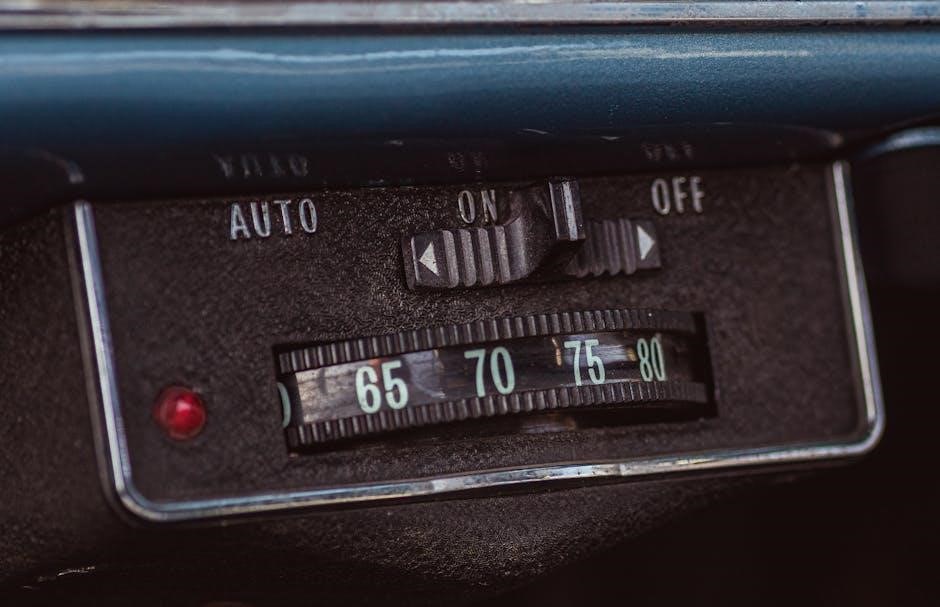
Understanding temperature settings‚ displays‚ and potential fluctuations is crucial for optimal performance of your Avantco refrigeration unit‚ ensuring food safety standards.
Setting the Temperature: A Step-by-Step Guide
To adjust the temperature on your Avantco refrigerator or freezer‚ begin by locating the control panel‚ typically found inside the unit. First‚ verify the current set temperature to avoid accidental adjustments. Use the “up” and “down” arrow buttons‚ or corresponding controls‚ to modify the desired temperature. Remember freezers generally require temperatures around 0°F (-18°C)‚ while refrigerators operate best between 34°F and 38°F (1°C and 3°C).
After setting the desired temperature‚ allow several hours for the unit to stabilize and reach the new setting. Regularly monitor the temperature display to confirm it’s maintaining the target level. If the unit fails to cool adequately‚ double-check the set temperature and proceed to troubleshooting steps‚ such as cleaning the condenser coils.
Understanding Temperature Displays
Avantco refrigeration units utilize digital temperature displays for precise monitoring. These displays show both the current internal temperature and the setpoint temperature. Familiarize yourself with the unit’s specific display; some models may alternate between the two readings. A flashing display often indicates a sensor error or that the unit is in a defrost cycle.
Pay attention to any error codes displayed‚ as these provide valuable diagnostic information. Refer to your Avantco user manual for a complete list of error codes and their meanings. Consistent monitoring of the temperature display is crucial for ensuring optimal food safety and preventing spoilage. Note any significant temperature fluctuations and investigate accordingly.
Temperature Fluctuations: Normal vs. Problematic
Minor temperature fluctuations are normal during compressor cycles and defrost operations. A slight rise in temperature is expected when the door is opened frequently or when warmer items are added. However‚ significant or rapid temperature swings indicate a potential issue. Consistent temperatures above the setpoint‚ or fluctuations exceeding 5-10°F‚ warrant investigation.
Problematic fluctuations could signal a failing compressor‚ a refrigerant leak‚ a malfunctioning thermostat‚ or inadequate airflow. Regularly monitor the temperature and document any unusual patterns. If fluctuations persist despite troubleshooting‚ consult a qualified service technician to diagnose and repair the underlying cause‚ ensuring food safety.
Troubleshooting Common Temperature Issues
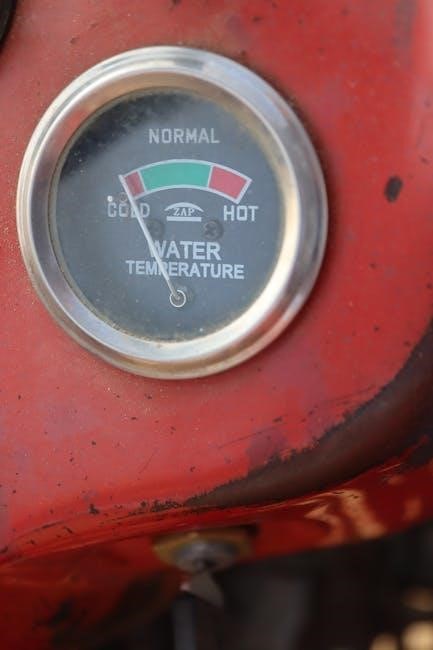
Addressing temperature concerns starts with verifying the set temperature and cleaning the condenser coil; if issues persist‚ professional service is crucial.
Freezer Not Cooling Below 60°F
If your Avantco freezer fails to maintain a temperature below 60°F‚ several initial checks are recommended before contacting a service technician. First‚ always confirm the temperature setting hasn’t been inadvertently adjusted to a warmer level. A simple oversight can cause significant temperature fluctuations. Secondly‚ a dirty condenser coil severely restricts airflow‚ hindering the freezer’s ability to dissipate heat effectively.
Regular cleaning of the condenser coil is paramount for optimal performance. However‚ if these basic steps don’t resolve the issue‚ it strongly suggests a more complex problem. At this point‚ it’s critical to call a qualified service technician to assess the refrigerant level and thermostat functionality. Attempting to handle refrigerant or complex repairs yourself can be dangerous and void any warranty;
Condenser Coil Cleaning: Importance and Procedure
A clean condenser coil is absolutely vital for efficient operation of your Avantco refrigeration unit. Dust and debris accumulation act as insulation‚ preventing proper heat dissipation and forcing the compressor to work harder‚ leading to increased energy consumption and potential failure. Regular cleaning significantly improves cooling performance and extends the lifespan of the freezer.
To clean the coil‚ first disconnect power to the unit. Locate the condenser coil‚ typically on the back or bottom of the freezer. Use a vacuum cleaner with a brush attachment to gently remove loose dust. For stubborn dirt‚ a condenser coil cleaning brush and fin comb can be employed. Avoid bending the fins. Reconnect power only after the coil is completely dry.
Checking the Set Temperature
Before initiating any complex troubleshooting‚ always verify the set temperature on your Avantco freezer. A surprisingly common cause of insufficient cooling is an accidentally adjusted temperature control. Refer to your unit’s control panel – typically a digital display – and confirm the desired temperature setting is appropriate for your stored products.
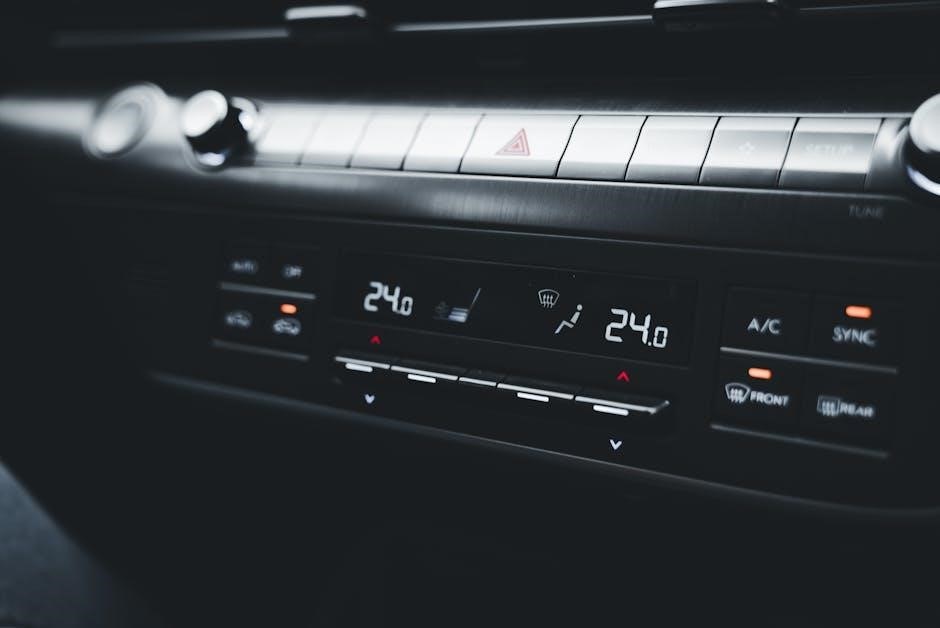
Ensure the display is showing the setpoint‚ not the current internal temperature. Some models have buttons to toggle between these readings. If the set temperature is too high‚ adjust it to the desired level and allow several hours for the freezer to stabilize. Remember‚ a simple temperature adjustment can resolve many cooling issues!
Advanced Troubleshooting
Complex issues‚ like refrigerant levels or thermostat functionality‚ require professional expertise and specialized tools for accurate diagnosis and safe repair procedures.
Refrigerant Level Checks (Professional Service Required)
Assessing refrigerant levels is a critical step when troubleshooting cooling issues‚ but it absolutely requires a qualified and licensed HVAC/R technician. Attempting to handle refrigerant yourself is not only dangerous but also illegal due to environmental regulations. Technicians utilize specialized gauges and equipment to accurately measure refrigerant pressure and identify potential leaks within the system.
Low refrigerant levels can stem from a breach in the sealed system‚ such as a pinhole leak in a line or a faulty valve. A technician will pinpoint the leak’s location‚ repair it‚ and then recharge the system with the correct type and amount of refrigerant‚ ensuring optimal performance. Improper refrigerant charging can severely damage the compressor and other components‚ leading to costly repairs.
Thermostat Functionality and Testing (Professional Service Required)
Diagnosing thermostat issues demands specialized knowledge and equipment‚ necessitating a skilled service technician. The thermostat‚ or electronic controller‚ governs the compressor’s on/off cycles‚ maintaining the desired temperature. Technicians employ multimeters and other diagnostic tools to verify the thermostat’s accurate temperature sensing and proper signaling to the compressor.
Faulty thermostats can cause erratic temperature fluctuations‚ continuous running‚ or a complete failure to cool. A technician can test the thermostat’s calibration‚ sensor accuracy‚ and relay functionality. Replacement requires careful consideration of the specific Avantco model and controller type. Incorrect thermostat operation can lead to energy waste and potential food spoilage‚ highlighting the importance of professional assessment.
Identifying Electronic Controller Failures
Modern Avantco refrigeration systems utilize sophisticated electronic controllers‚ making troubleshooting complex. Failures can manifest as unresponsive displays‚ incorrect temperature readings‚ or a complete lack of cooling. Initial inspection involves checking for blown fuses or loose wiring connections. However‚ diagnosing internal controller faults requires specialized expertise.
Technicians use diagnostic codes displayed on the controller (if available) to pinpoint the source of the problem. Common issues include failed relays‚ corrupted software‚ or damaged circuit boards. Repairing these controllers often necessitates board-level component replacement‚ demanding precision soldering skills. If the system employs solid-state boards and low voltage systems‚ professional assistance is crucial.

Maintenance and Prevention
Regular cleaning‚ airflow management‚ and door seal checks are vital for optimal cooling performance and preventing temperature-related issues in Avantco units.
Regular Cleaning Schedules
Establishing a consistent cleaning schedule is paramount for maintaining optimal performance and extending the lifespan of your Avantco refrigeration unit. Daily tasks should include wiping down door seals to ensure a tight closure‚ preventing cold air loss and maintaining consistent temperatures. Weekly‚ a thorough cleaning of the interior surfaces with a mild detergent is recommended‚ removing any spills or food debris that could harbor bacteria or impede airflow.
Crucially‚ monthly cleaning of the condenser coils is essential. Dust and grime accumulation significantly reduces cooling efficiency‚ forcing the unit to work harder and potentially leading to temperature fluctuations. Finally‚ quarterly deep cleaning‚ including removing and washing shelving‚ ensures a hygienic and efficient operating environment. Consistent adherence to these schedules minimizes the risk of breakdowns and maintains optimal temperature control.
Airflow Management for Optimal Cooling
Proper airflow is critical for consistent temperature distribution within your Avantco refrigerator or freezer. Avoid overcrowding shelves‚ as this restricts air circulation and creates warm spots‚ potentially compromising food safety. Ensure items are not blocking vents‚ both at the rear and within the unit‚ allowing cool air to circulate freely.
Strategic product placement is also key; leave space between items for air to flow around them. Regularly check for obstructions‚ such as packaging or debris‚ that may impede airflow. Maintaining adequate airflow minimizes temperature fluctuations and ensures the unit operates efficiently‚ reducing strain on the compressor and extending its lifespan. Consistent airflow contributes to reliable temperature control.
Door Seal Inspection and Replacement
Regularly inspect door seals for cracks‚ tears‚ or gaps. Damaged seals allow warm air to enter‚ forcing the unit to work harder to maintain the set temperature and potentially leading to food spoilage. A simple test involves closing the door on a piece of paper; if you can easily pull it out‚ the seal is compromised.
Replacing a faulty door seal is a relatively straightforward maintenance task. Ensure you obtain the correct replacement seal for your specific Avantco model. Clean the door frame thoroughly before installing the new seal‚ ensuring a tight and secure fit. A properly sealed door significantly improves energy efficiency and temperature stability.
Understanding the Control System
Avantco refrigeration utilizes solid-state boards and low voltage systems‚ incorporating thermistors and transducers for precise temperature management and efficient operation.
Solid-State Boards and Low Voltage Systems
Modern Avantco refrigeration increasingly employs sophisticated solid-state boards‚ replacing older electromechanical relays and timers. These boards offer enhanced reliability and precision in temperature control‚ utilizing low voltage signals for operation. This design minimizes electrical hazards and improves system efficiency.
The shift to low voltage systems‚ coupled with solid-state technology‚ allows for more accurate temperature regulation and faster response times to changes in ambient conditions. However‚ diagnosing issues within these systems often requires specialized knowledge and equipment. Attempting repairs without proper training can lead to further damage or safety risks. If you encounter problems‚ consulting a qualified technician is highly recommended‚ especially for complex electronic failures.
Thermistors and Transducers Explained
Avantco refrigeration systems rely on thermistors and transducers to accurately monitor temperatures within the unit. Thermistors are temperature-sensitive resistors; their resistance changes predictably with temperature fluctuations‚ providing the control board with crucial data. Transducers convert physical parameters‚ like pressure‚ into electrical signals‚ aiding in system diagnostics and performance monitoring.
These components are integral to the low-voltage control systems found in newer models. The control board interprets signals from these sensors to maintain the set temperature. Faulty thermistors or transducers can lead to inaccurate readings and improper cooling. Diagnosing issues with these sensors typically requires a multimeter and understanding of their specific resistance curves at various temperatures; professional service is often necessary.
Safety Precautions
Always disconnect power before working on electrical components. Refrigerant handling requires EPA certification and should only be performed by qualified professionals for safety.
Working with Electrical Components
Prioritize safety when accessing or repairing electrical components within your Avantco refrigeration unit. Always disconnect the unit from its power source before beginning any work. This prevents electrical shock and potential damage to the system. Carefully inspect wiring for any signs of fraying‚ damage‚ or loose connections.
If you are uncomfortable working with electrical systems‚ or lack the necessary expertise‚ do not attempt repairs yourself. Contact a qualified service technician. Improper handling can lead to serious injury or further damage to the refrigeration unit. Remember to use insulated tools and follow all local electrical codes and safety regulations. Thoroughly document any changes made during inspection or repair for future reference.
Handling Refrigerant (Professional Service Only)
Refrigerant handling requires specialized training and certification; it is strictly for qualified technicians. Attempting to service the refrigerant system without proper credentials is illegal and dangerous. Refrigerants can cause frostbite‚ asphyxiation‚ and environmental harm. Never attempt to disconnect‚ recharge‚ or repair refrigerant lines yourself.
If your Avantco unit requires a refrigerant level check or repair‚ contact a licensed HVAC/R technician immediately. They possess the necessary equipment and knowledge to safely manage refrigerants‚ identify leaks‚ and restore optimal cooling performance. Improper refrigerant handling can void your warranty and lead to costly repairs. Always prioritize safety and environmental responsibility.

When to Call a Service Technician
For complex issues‚ refrigerant handling‚ or electronic controller replacement‚ always contact a qualified technician to ensure safe and effective repairs.
Complex Refrigeration Issues
Diagnosing intricate refrigeration problems within Avantco units often requires specialized knowledge and tools beyond basic troubleshooting. Issues like inconsistent cooling‚ unusual noises‚ or complete system failures necessitate professional intervention. Attempting repairs without proper training can lead to further damage or safety hazards.
Specifically‚ problems involving the refrigeration cycle itself – compressor malfunctions‚ evaporator or condenser issues – demand a skilled technician. Similarly‚ if the unit experiences recurring temperature fluctuations despite cleaning and proper settings‚ a deeper investigation is crucial. Repairing reach-in coolers with electronic controllers can be challenging‚ and some failures are frustrating to troubleshoot.
Don’t hesitate to seek expert assistance; a qualified technician can accurately identify the root cause and implement the appropriate solution‚ restoring your Avantco refrigeration system to optimal performance.
Refrigerant Handling and Repair
Refrigerant management is a critical aspect of Avantco refrigeration system maintenance‚ and it’s strictly regulated due to environmental and safety concerns. Handling refrigerant requires EPA certification‚ and attempting to service the system without it is illegal and potentially dangerous.
Low refrigerant levels are a common cause of cooling issues‚ but simply adding refrigerant isn’t a solution; a leak must be identified and repaired first. Technicians use specialized equipment to detect leaks‚ evacuate the system‚ and recharge it with the correct type and amount of refrigerant.
Due to the complexities and legal requirements‚ all refrigerant-related repairs should be entrusted to a qualified and certified service technician. Improper handling can damage the unit and harm the environment.
Electronic Controller Replacement
Replacing an electronic controller in an Avantco refrigeration unit is a complex task best left to qualified technicians. These controllers manage vital functions‚ and incorrect replacement can lead to system failure or inaccurate temperature control.
Diagnosis is crucial; confirming the controller is truly faulty‚ and not a related component‚ is essential before proceeding. Technicians will use diagnostic tools to test the controller’s functionality and identify any error codes.
The replacement process involves carefully disconnecting the old controller‚ installing the new one‚ and properly configuring its settings. Calibration and testing are vital to ensure accurate temperature regulation and optimal performance. Attempting this without expertise can cause further damage.
Resources and Support
Access Avantco user manuals and documentation online for detailed guidance. Explore online forums like Reddit’s KitchenConfidential for community support and troubleshooting tips.
Avantco User Manuals and Documentation
Avantco provides comprehensive user manuals and documentation specifically tailored to each refrigeration model‚ including the 447AP23R/F and 447AP49R/F series. These resources are invaluable for understanding your unit’s specific features‚ operation‚ and maintenance requirements. Locating the correct manual is the first step in addressing any temperature control concerns.
The manuals detail initial setup procedures‚ electrical specifications‚ and crucial safety precautions. They also offer step-by-step instructions for temperature adjustments‚ ensuring optimal performance and food safety. Furthermore‚ these documents outline recommended cleaning schedules and maintenance tasks to prolong the lifespan of your Avantco refrigeration equipment. Digital copies are typically available for download directly from the Avantco website‚ offering convenient access whenever needed. Referencing the official documentation ensures you’re following manufacturer-approved guidelines for operation and troubleshooting.
Online Forums and Communities (e.g.‚ Reddit KitchenConfidential)
Online forums‚ such as the r/KitchenConfidential subreddit on Reddit‚ can be valuable resources for Avantco refrigeration owners seeking troubleshooting advice and shared experiences. Users frequently discuss common issues‚ including temperature control problems‚ and offer potential solutions based on their own repairs or professional service interactions.
Discussions often highlight the importance of checking the set temperature and cleaning the condenser coil as initial troubleshooting steps when a freezer isn’t cooling adequately – specifically below 60°F. However‚ it’s consistently emphasized that complex issues‚ like suspected refrigerant leaks or thermostat malfunctions‚ require the expertise of a qualified service technician. These communities provide a platform for exchanging information‚ but should not replace professional diagnosis and repair. Remember to verify any advice with official Avantco documentation.